

These window maintenance tips will help your windows open smoothly, seal tightly, and keep out drafts and water for years longer. A little care twice a year goes a long way. Most of it takes an afternoon and a few basic supplies.
Quick answer: Twice a year, clean the glass, frames, and tracks, clear the weep holes, lubricate moving parts, and check weatherstripping and caulk. Replace windows that have fogged glass, rotted frames, or drafts you can’t fix.
Below is a simple routine for Powell homeowners, plus the signs that it’s time to stop repairing and start replacing.
Windows past the point of repair?
Get a free, no-obligation window estimate from American Home.
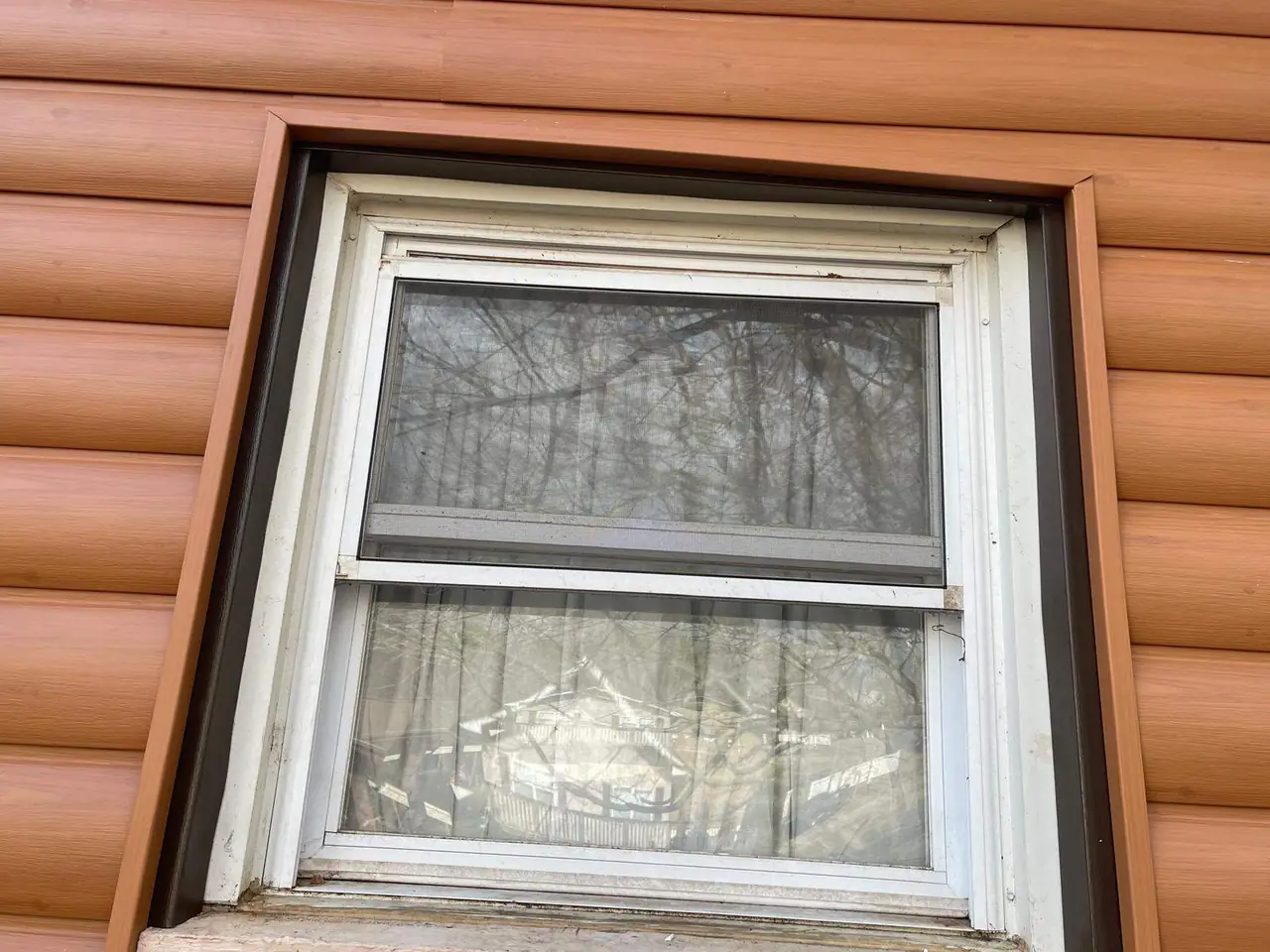
Sound caulk and trim keep water out of the wall around each window.
Why Window Maintenance Tips Matter in Powell
Powell homes deal with a lot. Spring brings thick yellow pollen that coats sills and tracks. Summer brings humidity and heavy storms. Fall drops leaves and seeds into every corner, and winter brings freeze-thaw cycles that stress caulk and paint.
All of that wears on windows. Dirt in the tracks makes sashes stick. Cracked caulk lets rain into the wall. Small problems grow quietly until you see rot or water stains. Regular care catches those problems while they’re still cheap and easy to fix.
Supplies You Need for These Window Maintenance Tips
You don’t need special tools. Most of these window maintenance tips use things you already have at home. Gather these before you start:
- A vacuum with a crevice tool
- Mild dish soap, a bucket, and soft cloths
- An old toothbrush and a thin wire or pipe cleaner
- Silicone-based spray lubricant
- A tube of exterior-grade caulk and a caulk gun
- A screwdriver and a step stool or short ladder
Work on a dry, mild day so caulk and cleaners can dry well.
Your Twice-a-Year Window Checklist
Pick two times a year, like early spring and early fall. Then walk through this list for each window:
- Vacuum the tracks and sills.
- Wash the frames and glass.
- Clear the weep holes.
- Test that each window opens, closes, and locks.
- Lubricate tracks, hinges, and cranks.
- Look at the weatherstripping for cracks or gaps.
- Check outside caulk and trim.
- Look for fog between the panes.
- Inspect and clean the screens.
Keep a simple note of what you find as you follow these window maintenance tips. That way you can tell if a problem is getting worse from one season to the next.
Window Maintenance Tips for Cleaning Glass, Frames, and Tracks
Start with the tracks. Use a vacuum with a crevice tool to pull out dirt, dead bugs, and pollen. Then wipe the tracks and frames with warm, mildly soapy water and a soft cloth. An old toothbrush helps in the corners.
For the glass, use a gentle cleaner and a soft cloth or squeegee. Skip scrub pads and razor blades. They can scratch the glass or damage low-E coatings, the thin clear layer that reflects heat.
Clear the Weep Holes
Many windows have small slots at the bottom of the outside frame. These are weep holes. They let rain that gets into the track drain back out.
When weep holes clog with dirt or pollen, water can sit in the track. It may then spill inside or soak into the wall. Use a thin wire or pipe cleaner to clear them gently. Pour a little water in the track to make sure it drains.
Check and Lubricate Moving Parts
Sticky windows are often just dirty or dry. After cleaning, spray a silicone-based lubricant on tracks, balances, hinges, and casement cranks. Wipe off the extra. Skip oil-based products, since they attract dirt and can make things worse.
Then test each lock and latch. Every window should close fully and lock without a fight. A window that won’t lock is a safety issue and a draft problem. Loose screws on hardware are an easy fix with a screwdriver.
Inspect Weatherstripping
Weatherstripping is the soft strip that seals the gap between the moving sash and the frame. Over time it gets cracked, flat, torn, or goes missing. When that happens, air and noise slip right through.
On a cool, windy day, hold your hand near the edges of each closed window. If you feel air, check the strip in that spot. Many window makers sell replacement weatherstripping that matches their windows.
Of all the window maintenance tips here, this one often makes the quickest difference in how warm a room feels.
Check Exterior Caulk and Trim
Walk around the outside of your home. Look at the caulk where each window frame meets the siding or brick. Caulk that’s cracked, shrunk, pulling away, or missing lets water into the wall.
Scrape out the old, loose caulk and apply a fresh bead of exterior-grade sealant. While you’re there, look at the trim. Peeling paint or soft spots on wood trim are early signs of water damage. Our siding maintenance tips cover the rest of the outside wall.
Watch for Condensation Problems
Condensation is water that forms when warm, moist air hits cold glass. Where it shows up tells you what’s going on.
Water on the Inside of the Glass
Moisture on the inside surface in winter usually means indoor humidity is high. Run bath and kitchen fans, and use a dehumidifier if needed. Wipe sills dry so water doesn’t soak into wood or drywall. The EPA’s guide to mold and moisture explains why controlling damp matters.
Fog Between the Panes
Fog or haze between the two panes means the seal on the glass unit has failed. Moist air got inside, and any insulating gas has leaked out. Cleaning can’t fix it. The glass unit or the whole window needs to be replaced. Learn more about foggy double-pane windows.
Window Maintenance Tips for Wood Windows
Wood windows look great but need more care. Moisture is their main enemy. Touch up peeling paint or stain each year. Keep sills sealed, since that’s where water sits longest.
Press on the sills and lower frame with a screwdriver. If the wood feels soft or spongy, rot has started. Small spots can be cut out and filled. Large areas of rot usually mean it’s time for a new window.
Care for Screens
Screens keep out bugs, but they also trap pollen and dirt. Once a year, take them out and wash them with soapy water and a soft brush. Rinse with a garden hose on low and let them dry fully.
Check for tears, loose spline, and bent frames. Small holes can be patched. Bent frames often need a new screen. Label each screen as you remove it so it goes back in the right window.
Seasonal Window Maintenance Tips for East Tennessee
Our weather changes a lot from season to season. Here’s what to focus on each time of year:
- Spring: clean off pollen, clear weep holes, and check for leaks after heavy rain.
- Summer: look for sun damage on trim and fading near sunny windows. Consider good window shades for hot rooms.
- Fall: clear leaves from sills, re-caulk gaps, and check weatherstripping before it gets cold.
- Winter: watch for condensation and drafts, and keep humidity in check.
For a full-house plan, see our Knoxville home maintenance calendar.
When Maintenance Is Not Enough
Even the best window maintenance tips can’t save a window that’s worn out. Replacement makes more sense when you see:
- Fogged glass in several windows
- Rotted frames or sills
- Windows that won’t stay open, close fully, or lock
- Drafts even after new weatherstripping and caulk
- Single-pane glass, or aluminum frames that sweat in winter
Read more in our list of signs you need replacement windows.
How American Home Helps Powell Homeowners
American Home is family-owned and has served East Tennessee since 1997, with more than 15,000 projects completed. We replace windows in Powell and across Knox County, as well as Blount, Anderson, Loudon, and Sevier counties.
Good window maintenance tips buy you time, but they can’t fix failed glass or rot. If your windows are past the point of repair, we’ll come out for a free in-home estimate. We’ll tell you honestly which windows need to go and which can wait. Financing options are available for qualified homeowners. See our window replacement services to learn more.
Window Maintenance Tips FAQs
How often should I clean my window tracks?
Twice a year is a good rule, often in spring and fall. In Powell, you may want an extra cleaning after heavy pollen season.
What is the best lubricant for sticky windows?
A silicone-based spray works well on tracks, hinges, and cranks. Avoid oil-based products, because they attract dirt and can make windows stick more.
Can foggy double-pane glass be fixed?
Not by cleaning. Fog between the panes means the seal failed. The glass unit or the whole window needs to be replaced.
What are the most important window maintenance tips?
Keep tracks and weep holes clean, check weatherstripping and outside caulk, and watch for fog or rot. Those steps prevent most leaks and drafts.
When should I replace instead of repair a window?
Replace when frames are rotted, several windows have fogged glass, or drafts keep coming back after new seals. Old single-pane windows are also good candidates.
Get a free window estimate
We will check your windows and give you a clear, no-obligation price if replacement makes sense.