

Knowing when to replace windows can save you from water damage, wasted energy, and a lot of chilly evenings. Windows rarely fail all at once. They get a little draftier, a little harder to open, and a little foggier each year. Then one day you realize they’re costing you comfort and money.
Quick answer: It’s time to replace windows when you see drafts, fog between the panes, soft or rotted frames, water stains, or windows that won’t open or lock. If several windows show these signs, replacing them soon usually costs less than waiting.
Below are the 10 signs to watch for, why putting it off can cost more, and how to plan the job so it fits your budget.
Seeing these signs in your windows?
Get a free, no-obligation window estimate from American Home.
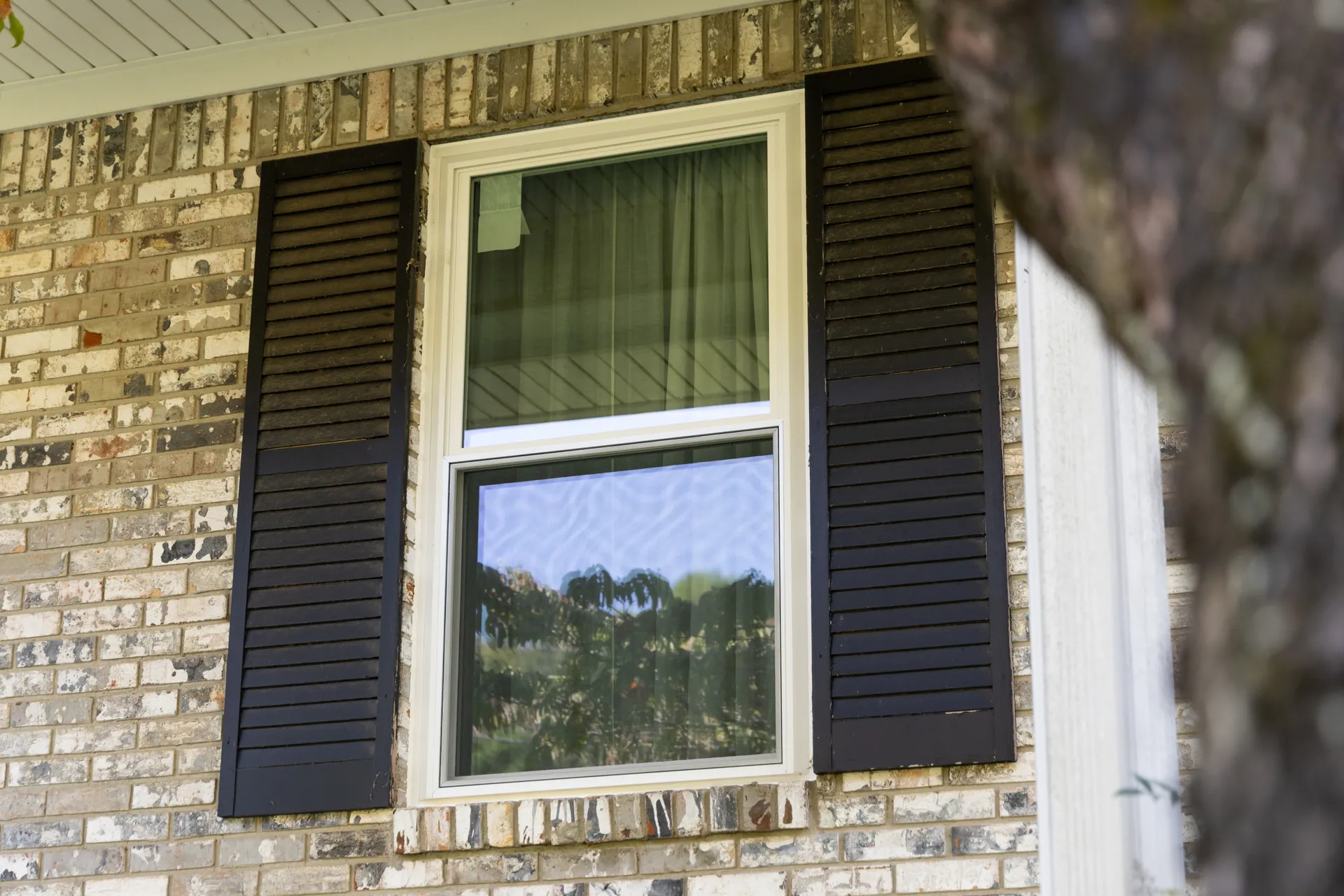
New windows stop drafts, leaks, and fog before they cause bigger problems.
When to Replace Windows: 10 Signs to Watch For
Walk through your home on a cool, windy day and check each window. Here’s what to look for:
- Drafts you can feel near closed windows.
- Fog or moisture between the panes, a sign the glass seal has failed.
- Windows that stick, won’t stay open, or won’t lock.
- Soft, rotting, or cracked frames and sills.
- Water stains or peeling paint on walls or sills below windows.
- Single-pane glass or aluminum frames that sweat and feel ice cold in winter.
- Rising energy bills with no other clear cause.
- Lots of outside noise from traffic or neighbors.
- Faded floors and furniture near sunny windows.
- Windows 20 years old or more that show several of these signs.
One sign on one window may just need a repair. Several signs, or the same sign on many windows, usually means it’s time to plan for new ones.
A Closer Look at the Most Common Signs
Some of these signs are easy to spot. Others hide in plain sight. Here’s what the most common ones really mean for your home.
Use these details to judge how serious each problem is. A small draft in one room is a fix. Rot or fog in several rooms is a clear answer to when to replace windows.
Drafts and Air Leaks
A draft means air is moving through or around the window. It could be worn weatherstripping, a warped sash, or gaps around the frame. New weatherstripping and caulk can help for a while.
If you’ve already tried that and the room still feels cold, the window itself is likely worn out. Our guide to stopping cold drafts shows how to track down leaks.
Foggy Glass
Fog between the panes means the seal around the glass failed. Moist air got in, and any insulating gas leaked out. You can’t wipe it away, because it’s inside the glass unit.
One foggy window in an older set often means others will follow. Learn more about foggy double pane windows and your options.
Rot and Water Stains
Press on wood sills and frames with a screwdriver. If the wood feels soft or spongy, rot has started. Look at the wall below each window too. Brown stains, bubbling paint, or a musty smell point to water getting in.
In East Tennessee, heavy spring rain and humid summers make this common. Once water gets into the wall, the damage can spread to framing and drywall.
Windows That Stick or Won’t Lock
A window that’s hard to open is more than a hassle. In a bedroom, it can be a safety risk if you ever need to get out fast. A window that won’t lock is a security problem.
Sometimes cleaning and lubricating the tracks fixes it. If the frame is warped or the parts are worn out, replacement is the safer choice.
Single-Pane Glass and Sweating Frames
Single-pane windows and old aluminum frames let heat pass right through. In winter, they get cold enough that water forms and drips onto sills. In summer, they let the sun’s heat pour in.
If your home still has these, it’s a strong sign of when to replace windows: the sooner, the more comfortable your home will be.
Why Waiting Can Cost More
It’s easy to put off windows for one more year. But failing windows don’t get better on their own. Here’s what waiting can cost you.
Most of these costs grow slowly, so they’re easy to miss. By the time you notice them, the fix is often bigger than it had to be.
Water Damage Spreads
Leaking windows let water into sills, framing, and drywall. What starts as a small stain can turn into rot or mold. That turns a simple window job into a bigger repair, often with wall and trim work added on.
That’s why knowing when to replace windows matters so much in our wet climate. Catching a leak early keeps the repair small.
Energy Waste Adds Up
Drafty, single-pane, or failed windows let heated and cooled air escape every day. Over months and years, that’s a lot of money spent heating and cooling the outdoors. Windows that are ENERGY STAR certified for our climate help stop that loss.
If your bills keep climbing and nothing else has changed, that’s another clue about when to replace windows.
Comfort Suffers
Rooms with old windows feel chilly in winter and hot in summer. You may avoid the couch by the window or keep a space heater in one bedroom. New windows let you use the whole room in every season.
Think about how your family uses each room. If you skip one all winter, or close the blinds every summer afternoon just to stay cool, the windows may be the reason.
Safety and Security
Windows that won’t lock or open properly are a security risk. They can also be a hazard in an emergency, especially in bedrooms and upstairs rooms. That alone is a good reason to act sooner.
Once a year, check every bedroom window. Make sure each one opens easily, stays open, closes all the way, and locks.
Questions to Help You Decide When to Replace Windows
If you’re on the fence, ask yourself a few simple questions. Your answers will point you in the right direction:
- Do I feel drafts even after new weatherstripping and caulk?
- Is there fog in more than one window?
- Is any wood soft, cracked, or stained?
- Do I plan to stay in this home for several more years?
- Am I getting ready to sell and want a better first impression?
If you said yes to two or more, now is likely the right time. Deciding when to replace windows gets easier once you see the full list in front of you.
Repair or Replace?
Not every problem means new windows. Some things can be repaired:
- New weatherstripping
- A replacement sash balance, the spring that holds a window open
- Fresh caulk inside and out
- A new glass unit in a solid frame
Replacement is usually the better choice when several windows have the same problems, frames or sills are rotted, the windows are single-pane or very old, or parts are no longer made. Small fixes can buy time, and our window maintenance tips show how.
When to Replace Windows in East Tennessee: Timing Tips
Windows can be replaced most of the year here. Spring and fall are the most popular times, since the weather is mild and crews can work in comfort. Custom windows also take several weeks to make after they’re measured, so plan ahead.
If you want new windows in before winter, start in late summer. See why fall is a great time for window replacement. If a storm has cracked glass or damaged frames, don’t wait. Our storm damage repair team can help.
Planning Your Window Replacement
You don’t have to replace every window at once. Many homeowners start with the windows in the worst shape, or on the side of the house that takes the most weather. Others do one floor at a time.
Replacing a whole floor or the whole house at once usually lowers the cost per window and gives a matching look. Either way, a good plan helps you decide when to replace windows in each room. Read our post on why replacement windows are a smart investment to weigh the value.
How American Home Helps You Decide
American Home is family-owned and has served East Tennessee since 1997, with more than 15,000 projects completed. We replace windows across Knoxville and Knox, Blount, Anderson, Loudon, and Sevier counties.
At a free in-home estimate, we’ll check each window and tell you honestly which ones need to go now and which can wait. You’ll get a clear price, and financing options are available for qualified homeowners. See our window replacement services, or read how to choose a window company.
When to Replace Windows FAQs
How do I know when to replace windows?
Look for drafts, fog between panes, soft or rotted frames, water stains, and windows that stick or won't lock. Several of these signs mean it is time.
How long do windows usually last?
Many windows last 20 years or more, depending on the material, the install, and the care they get. Age alone isn't the reason to replace them. Look at how they perform.
Can I replace just a few windows?
Yes. Many homeowners start with the worst windows first. Replacing more at once usually lowers the cost per window and gives a matching look.
Is it worth fixing a foggy window?
If the frame is solid and the window is fairly new, replacing just the glass unit can work. For older or rotted windows, a full replacement makes more sense.
What is the best time of year to replace windows?
Spring and fall are popular because the weather is mild. Windows can be installed most of the year, so plan around the several weeks it takes to make custom windows.
Get a free window estimate
We will check your windows and give you a clear, no-obligation price.