

These siding maintenance tips will help you keep your Knoxville home looking sharp and stop small problems before they turn into big repair bills. Modern siding is built to be low maintenance. That doesn’t mean no maintenance. Our humid summers, spring storms and heavy pollen all leave their mark on the outside of a house.
Quick answer: Wash your siding gently once or twice a year, keep gutters clear, trim plants back from the walls and walk around your home each year to look for cracks, gaps and soft spots. Fix small issues fast.
None of this takes special skills. Most of these siding maintenance tips take a few hours a year with a hose, a soft brush and a good pair of eyes. Below, we cover how to clean vinyl and fiber cement, what to check, and when it makes more sense to call a pro.
Siding past the point of cleaning?
Get a free, no-obligation siding estimate and an honest answer on repair or replacement.
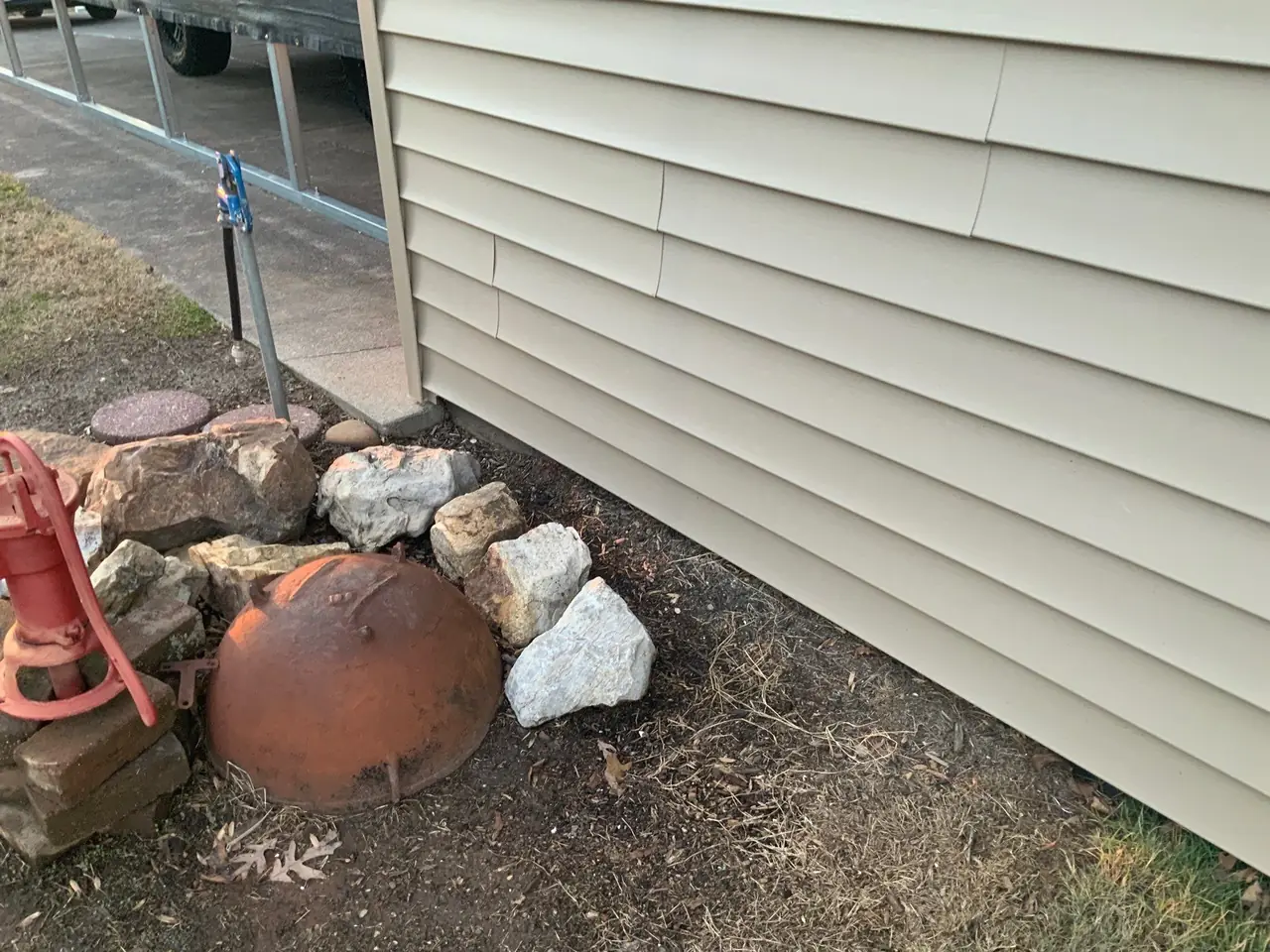
A clean, tight corner like this is a sign your siding is in good shape.
Why Siding Maintenance Tips Matter in Knoxville
East Tennessee weather is hard on siding. Summers are hot and muggy, which helps mildew and algae grow on shady walls. Spring brings heavy rain and wind. In fall, leaves clog gutters and send water down the walls. Winter adds freeze-thaw cycles, when water freezes and thaws over and over and widens small cracks.
Many Knoxville homes also sit under big trees or on sloped lots with red clay soil. Shade keeps walls damp. Clay holds water near the foundation. That’s why simple siding maintenance tips pay off here. A little care each year helps your siding last for decades instead of wearing out early.
9 Siding Maintenance Tips for Your Home
You don’t need to do all of these every month. Most are once or twice a year. Think of these siding maintenance tips as a short routine that protects one of the biggest parts of your home. Here are our top siding maintenance tips, based on what we see on Knoxville homes every week.
1. Wash Vinyl Siding Once or Twice a Year
Dirt, pollen and mildew build up over time. That is why washing is first on our list of siding maintenance tips. It removes grime before it stains. Start by rinsing the wall with a garden hose. Then scrub with a soft brush or cloth and a mild mix of water and household cleaner. A long-handled brush helps you reach higher spots from the ground.
Work in small sections from the bottom up when scrubbing, so dirty water doesn’t streak clean areas. Then rinse from the top down. Pick a cloudy day if you can, so the soap doesn’t dry on the panels in the sun.
2. Go Easy With the Pressure Washer
A pressure washer looks like a fast fix, but it can do real damage. High pressure can crack vinyl, strip paint off fiber cement and force water behind the panels. Once water gets behind your siding, it can soak the wood wall underneath.
If you use one, keep it on a low setting and stand back several feet. Hold the wand level or angled down. Never spray upward into the seams or right at windows and vents. When in doubt, a garden hose and brush is the safer choice.
3. Treat Mildew and Pollen Early
Green or black spots on the north side of your house are usually mildew or algae. They love shade and our humid air. Left alone, they spread and can stain the siding for good. Spring pollen also leaves a yellow film that traps moisture.
Use a cleaner made for vinyl siding, and follow the label. Rinse plants nearby before and after so the cleaner doesn’t harm them. If the same spot keeps growing back, there may be a moisture problem behind the wall. The EPA’s guide to mold and moisture explains why that’s worth checking.
4. Care for Fiber Cement Siding the Right Way
Fiber cement, such as James Hardie siding, is tough. It still needs some care. Wash it with a soft brush and low-pressure water, the same way you would vinyl. Avoid harsh scrubbing pads that can wear down the finish.
Look for chips and scratches, and touch them up with matching paint so the boards stay sealed. Factory finishes last many years, but not forever. Plan on repainting at some point, and check the paint maker’s advice for timing.
5. Check Caulk Around Windows and Doors
Caulk is the flexible seal around windows, doors and trim. Sun and temperature swings make it dry out, crack and pull away. When that happens, rain and air can sneak into your walls.
Once a year, look closely at each window and door. Press on the caulk. If it’s hard, cracked or has gaps, scrape it out and apply fresh exterior caulk. On vinyl siding, don’t caulk the panels themselves. They need room to move as they warm up and cool down.
6. Keep Gutters and Downspouts Clear
Clogged gutters are one of the most common causes of siding damage we see. When gutters overflow, water pours down the wall. It stains the siding, soaks the trim and can reach the wood behind it. Leaves and pine needles from our big trees fill gutters fast in the fall.
Of all our siding maintenance tips, this one may matter most. Clean your gutters at least twice a year, and more often if you have lots of trees. Make sure downspouts carry water several feet from the house. Our gutter maintenance tips cover this step in more detail.

7. Keep Soil, Mulch and Plants Away From the Walls
One of the simplest siding maintenance tips is easy to forget. Siding should never sit in dirt or mulch. Keep soil and mulch several inches below the bottom row of siding. Make sure the ground slopes away from the house so rain doesn’t pool at the foundation. That’s extra important with our red clay, which drains slowly.
Trim shrubs, vines and tree limbs back a foot or more from the walls. Plants that touch the house hold moisture against the siding. They also give insects an easy path inside.
8. Do a Yearly Walk-Around Inspection
Pick a dry day each spring and walk all the way around your home. Take your time and look at each wall. Use binoculars for second-story walls. Watch for:
- Cracked, warped, loose or missing panels
- Gaps at corners, seams and around windows and doors
- Holes from woodpeckers, insects or storm debris
- Mildew that keeps coming back in the same spot
- Water stains below gutters or near downspouts
- Soft spots when you press on siding or trim, which can mean rot
9. Fix Small Damage Before It Spreads
A single cracked panel seems minor. But every opening lets water and bugs in. Over a few seasons, a small crack can lead to rotted sheathing, which is the layer of wood panels behind your siding.
Many small fixes are quick for a pro, like swapping a cracked vinyl panel or sealing a gap. Like most siding maintenance tips, this one is about timing. The sooner you deal with them, the less likely you are to need bigger repairs. If a storm caused the damage, see our storm damage repair page.
A Simple Seasonal Checklist
It’s easier to remember these siding maintenance tips when you tie them to the seasons. Here’s a simple plan you can follow each year:
- Spring: Wash off pollen, do your walk-around inspection and check caulk.
- Summer: Trim plants back and watch shady walls for mildew.
- Fall: Clean gutters after the leaves drop and check that downspouts drain away.
- Winter: After hard freezes or storms, look for cracked or loose panels.
For a full list of jobs around the house, see our Knoxville home maintenance calendar.
Repair or Replace Your Siding?
Even the best siding maintenance tips can’t make old siding last forever. A few damaged panels can usually be replaced if matching siding is still made. Replacing the whole exterior makes more sense when:
- Damage is widespread or keeps coming back
- Matching panels are no longer made, or the color has faded unevenly
- There is rot or mold behind the siding
- You want better comfort, a new look or less upkeep
Knoxville has many older homes with original wood or aluminum siding. If yours is near the end of its life, read about the benefits of siding replacement.
When to Call a Pro
Most siding maintenance tips are safe for a homeowner. Some jobs aren’t. Call a pro if you see soft or rotted wood, siding that bulges or pulls away from the wall, or stains on your inside walls. Those signs point to water behind the siding. It’s also smart to get help for any work high on a ladder.
American Home is a family-owned company that has served East Tennessee since 1997. We repair and replace siding across Knoxville and Knox County. We’ll look at your siding during a free in-home estimate and tell you honestly if a repair will do. Learn more about our siding services.
Siding Maintenance FAQs
How often should I clean my siding?
Once or twice a year is enough for most homes. Homes under heavy shade or near lots of trees may need it more often because mildew and pollen build up faster.
Can I pressure wash vinyl siding?
You can, but be careful. Use a low setting, stand back and never spray up into the seams. High pressure can crack panels and push water behind the siding. A hose and soft brush is safer.
What are the most important siding maintenance tips?
Wash gently, keep gutters clear, keep soil and plants away from the walls, check caulk each year and fix small damage fast. Those few steps prevent most siding problems.
How do I get rid of mildew on siding?
Use a cleaner made for vinyl siding and a soft brush, then rinse well. If mildew keeps coming back in the same place, have someone check for moisture behind the wall.
How do I know if my siding needs to be replaced?
Look for widespread cracks, warping, soft or rotted wood, fading that cleaning will not fix, or stains on inside walls. If you see several of these, it is time for a professional look.
Need a siding repair or a whole new exterior?
We will give you a clear, no-pressure price, with financing options for qualified homeowners.