

The best way to prevent water damage on the outside of your home is to catch small problems early. Water damage usually starts out of sight. It might be a gutter that overflows at one corner, a gap around a window or a strip of siding sitting in the mulch.
Quick answer: Keep gutters clean, move downspout water several feet from the house, keep soil and mulch below the siding, re-caulk gaps and replace cracked siding fast. Siding and gutters that work together keep water out of your walls.
Over a few years, small leaks can rot trim and sheathing, invite mold and termites, and soak your crawl space. Below, we show you how water gets in, the warning signs to watch for and the simple steps that stop it.
Seeing signs of water damage?
Get a free, no-obligation estimate and find out where water is getting in.
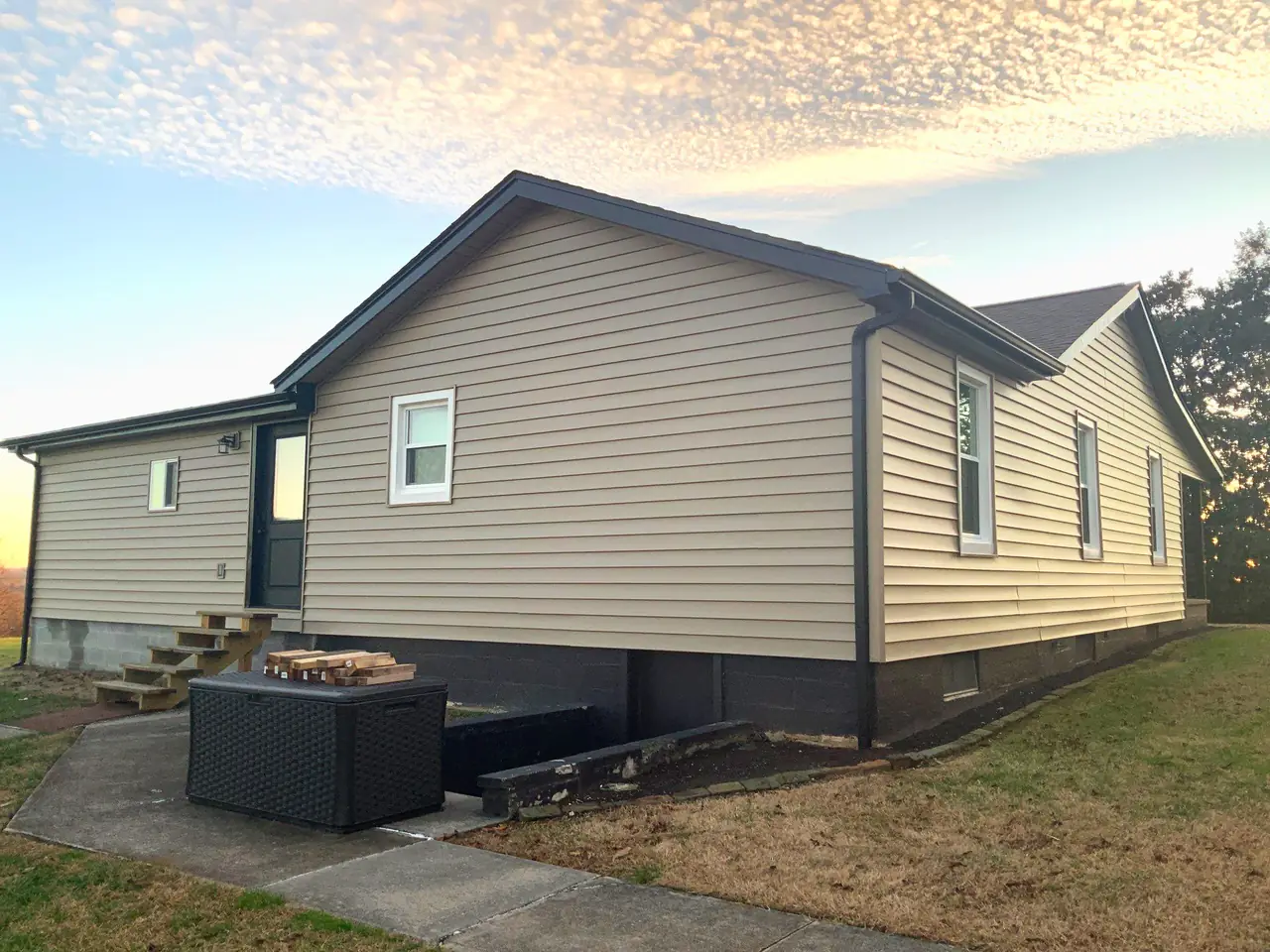
New siding and gutters working together to keep water off the walls.
Why It Pays to Prevent Water Damage Early
Water is patient. A slow drip behind your siding may not show for years. By the time you see a stain inside or feel a soft spot on the trim, the wood behind it may be badly rotted. Fixing that means opening up walls, which costs far more than a tube of caulk or a gutter cleaning. A few simple habits can prevent water damage for years.
East Tennessee makes this extra important. We get heavy spring storms, humid summers, lots of fallen leaves and red clay soil that drains slowly. All of that keeps water near your walls longer. Taking steps now to prevent water damage protects your home’s structure and your budget.
How Water Gets Into Your Walls
Most exterior leaks come from a short list of causes. Knowing them helps you know where to look:
- Overflowing gutters pour water down the siding and behind it at the top of the wall.
- Missing or failed flashing lets water run behind the siding. Flashing is the metal or membrane strips that seal joints around windows, doors and roof edges.
- Damaged siding with cracks, holes or loose panels exposes the wall underneath.
- No weather barrier on older homes means water that gets past the siding goes straight into the sheathing, the wood panels under the siding.
- Ground contact where siding sits in soil or mulch wicks water up.
- Short downspouts dump water next to the house and soak the foundation.
Warning Signs to Look For
Walk around your home a couple of times a year, and again after a big storm. Look both outside and inside. Many signs are easy to miss if you aren’t looking for them, so take your time and check each wall.
Outside the House
Start at the roofline and work down to the ground. Watch for:
- Stains, streaks or algae on siding below gutters or windows
- Peeling or bubbling paint on trim
- Soft or crumbling wood at window sills, door frames and the bottom of walls
- Siding that is warped, bulging or pulling away
- Gutters that overflow, sag or drip at the seams
- Washed-out soil, mulch or puddles along the foundation
Inside the House
Water that gets past the siding often shows up indoors first. Check rooms along outside walls for:
- Water stains on walls or ceilings
- Peeling paint or wallpaper
- A musty smell in rooms, closets or the crawl space
- Damp or moldy spots in the basement or crawl space after rain
Musty smells and damp spots can point to mold. The EPA’s guide to mold and moisture explains why fixing the water source comes first. If you notice any of these signs, don’t wait. The sooner you find the source, the less damage it can do.
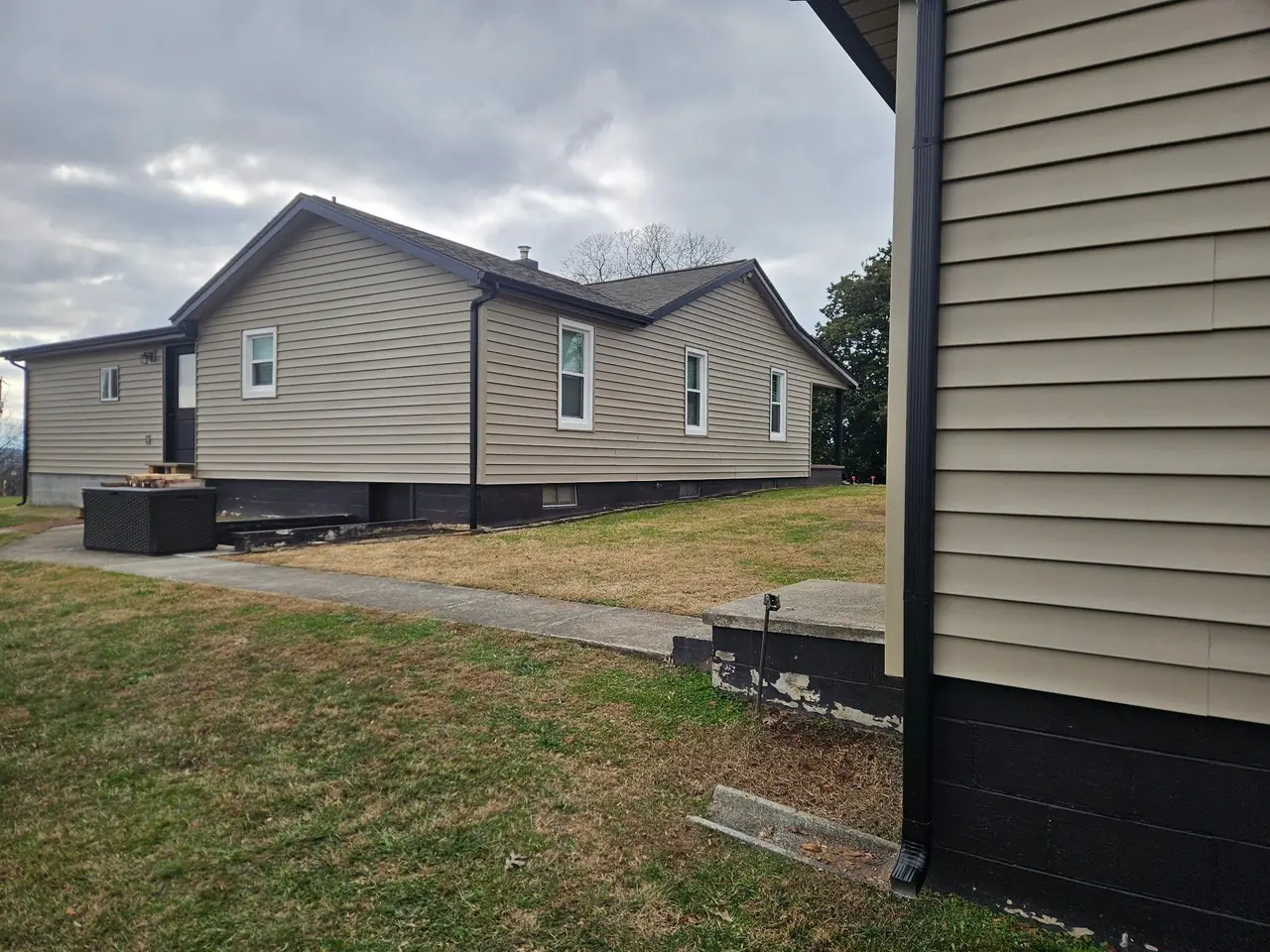
How Siding and Gutters Work Together
Think of the outside of your house as a path for water. The roof sheds it into the gutters. The gutters carry it to the downspouts. The downspouts move it away from the foundation. The siding, house wrap and flashing make sure any water that hits the walls runs down and out instead of in.
If one piece fails, water finds the weak spot. That’s why the best way to prevent water damage is to look at the whole system, not just one part. Our post on properly installed siding and gutters explains what good work looks like.
9 Easy Ways to Prevent Water Damage
Most of the steps to prevent water damage take an afternoon or less. Do them on a regular schedule, and you’ll stop most problems before they start:
- Clean gutters at least twice a year. More often if you have lots of trees.
- Fix leaks and sags. Reseal leaky seams and re-hang sagging sections.
- Extend downspouts. Move water several feet from the foundation.
- Fix the grade. Make sure soil slopes away from the house.
- Keep mulch low. Keep soil and mulch several inches below the siding.
- Re-caulk gaps. Check around windows, doors and trim each year.
- Replace damaged siding fast. Cracked or loose panels let water in.
- Trim shrubs back. Give walls room to dry after rain.
- Check after storms. Look for loose siding, bent gutters and debris.
For more detail on gutters, see our gutter maintenance tips.
A Simple Seasonal Plan
It’s easier to prevent water damage when you tie checks to the seasons. In spring, clean gutters after the pollen and seed pods drop, and walk the house after the first big storms. In summer, watch shady walls for mildew and trim back plants.
In fall, clean gutters again once the leaves are down. That’s the most important cleaning of the year for many Knoxville homes. In winter, look for ice or overflow after cold snaps and check the roof edge. Roof leaks can cause wall damage too. Our guide to finding and preventing roof leaks can help.
Prevent Water Damage Around Windows and Doors
Windows and doors are the most common weak spots in a wall. Every opening is a joint, and joints are where water sneaks in. Old caulk dries out and cracks. Flashing on older homes may be missing or rusted through. Sills can hold water if they don’t slope away from the house.
To prevent water damage here, check the caulk each spring and replace any that’s hard or pulling away. Watch for stains or soft wood under sills. If your windows are drafty or rotting at the frame, new ones with proper flashing may be the better fix. See our replacement windows page.
When Repairs Aren’t Enough
Small fixes go a long way to prevent water damage. But if you find soft sheathing, widespread rot or leaks that keep coming back, patching may not solve it. In that case, new siding and gutters installed as one system may be the best fix.
The old siding comes off, damaged wood gets replaced, and new house wrap, flashing, siding and gutters go on together. That gives you a fresh start and a dry wall. If a storm caused the damage, our storm damage repair team can help.
How American Home Helps You Prevent Water Damage
American Home is a family-owned company that has served East Tennessee since 1997, with more than 15,000 projects completed. We install siding and gutters, including leaf protection, across Knoxville and Knox County.
At your free in-home estimate, we’ll inspect your siding, trim and gutters and show you exactly where water is getting in. Then we’ll explain your options in plain words and give you a clear, written price. Financing options are available for qualified homeowners. Learn more about our siding services.
Water Damage FAQs
What is the best way to prevent water damage outside my home?
Keep gutters clean, extend downspouts, keep soil and mulch below the siding and fix cracked siding and old caulk fast. Most damage starts with water that is not moving away from the house.
How do I know if water is getting behind my siding?
Look for stains below windows, peeling trim paint, soft wood near the ground and warped or bulging panels. Inside, watch for stains or musty smells on outside walls.
How often should I clean my gutters?
At least twice a year, in spring and late fall. Homes under heavy tree cover may need it more often. Leaf protection can help cut down on clogs.
Can clogged gutters damage siding?
Yes. When gutters overflow, water pours down and behind the siding. Over time that can stain the siding, rot trim and soak the wood wall underneath.
When should I call a pro about water damage?
Call if you find soft or rotted wood, stains inside, leaks that keep coming back or siding pulling away from the wall. Those signs often mean the damage goes deeper.
Protect your home from water damage
We will inspect your siding, trim and gutters and give you a clear, no-pressure price.