
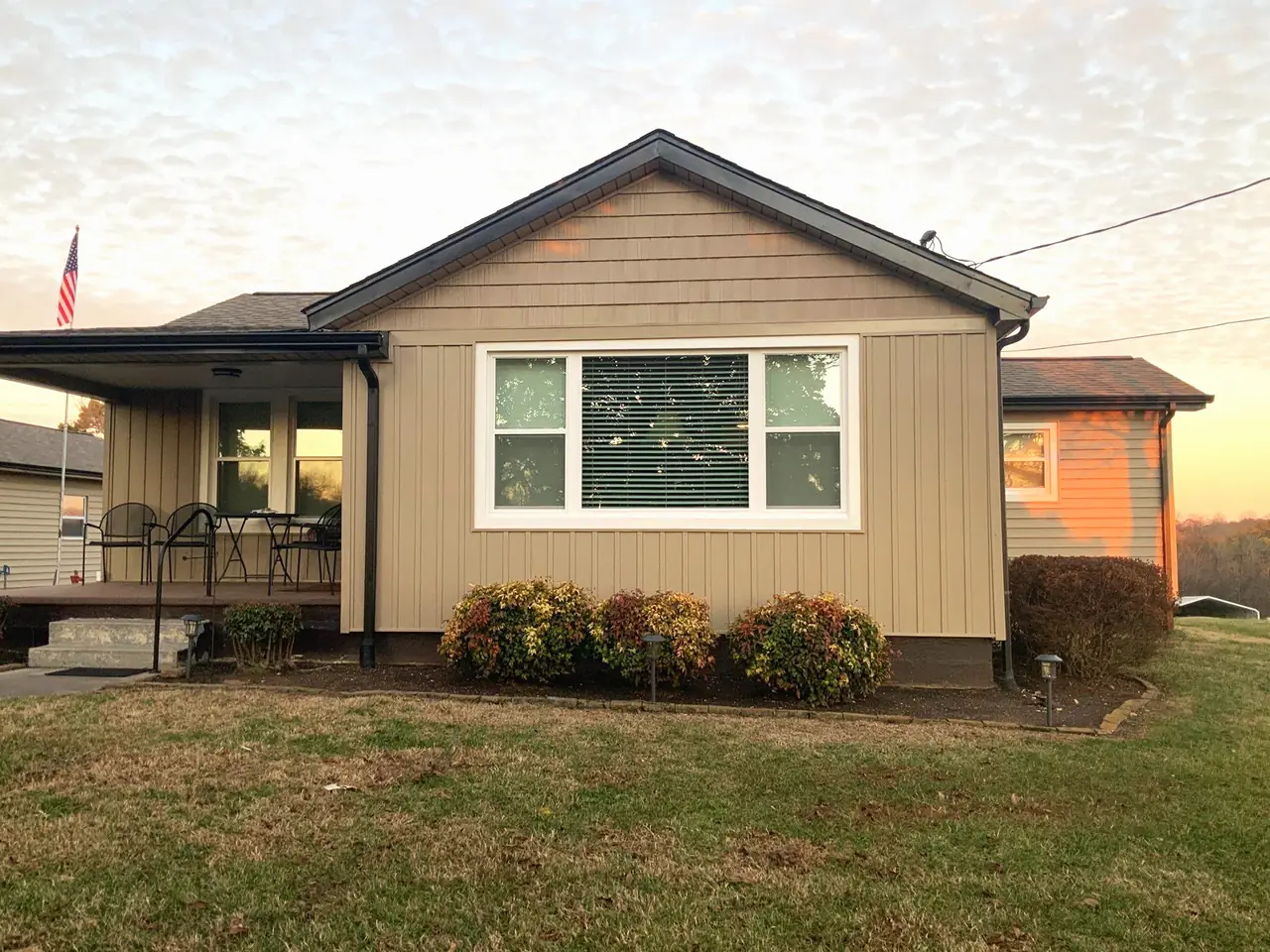
Siding color is the first thing people notice about your Farragut home, and it’s one of the hardest choices to change later. Once the panels are up, you’ll live with that color for decades. So it pays to slow down and choose with care.
Quick answer: Start with what you can’t change, like your roof, brick and stone. Pick a main color that matches their undertones, add contrast with trim, and test large samples outside in both morning and afternoon light.
Below, we share seven practical tips, color combinations that work well in East Tennessee and the most common mistakes we see. By the end, you’ll have a clear plan for narrowing down your choices.
Picking a siding color in Farragut?
Get a free, no-obligation estimate with large color samples brought to your home.
Why Your Siding Color Choice Matters
Siding covers most of what people see from the street. The color sets the mood of the whole house. A warm tan feels welcoming. A crisp white with black trim feels modern. A deep green blends into the trees. The wrong pick can make a lovely home look dull or out of place.
Color also affects upkeep and resale. Very bold choices can turn off some buyers. Very dark shades may show fading and heat more over time. A good siding color looks great now and still works years from now when tastes change. It also shapes how your home feels to you each time you pull into the driveway.
7 Smart Tips for Choosing a Siding Color
These tips come from years of helping East Tennessee homeowners pick colors. You don’t need a designer’s eye. You just need to look at your home as a whole and test before you commit. Work through them in order, and the choice gets easier at each step.
1. Start With What You Can’t Change
Your roof, brick or stone, and often your windows, stay put. Your siding color should work with them, not fight them. Look closely at undertones. Brown, tan and red brick pair well with warm siding. Gray stone pairs well with cool grays, blues and whites.
A black or charcoal roof works with almost anything. Brown roofs look best with warm neutrals and greens. White, tan or black window frames will also be part of your color plan, so factor them in.
2. Match the Color to Your Home’s Style
Some colors just look right on certain styles of home. Here’s a quick guide:
- Traditional and colonial: classic whites, soft grays, tan and colonial blue with white trim
- Craftsman: earthy greens, warm tans and browns with contrasting trim
- Modern farmhouse: white or light gray siding with black trim and windows
- Ranch: mid-tone neutrals like tan, clay or sage with darker trim for depth
- Lake and mountain homes: deep greens, browns and wood tones that blend with the trees
If your home mixes styles, go with the one that shows most from the street. The front of the house sets the tone, so let it guide your choice of main color and trim.
3. Look at Large Samples Outdoors
A small chip under store lights can fool you. Colors almost always look lighter on a whole house than on a sample. Ask for the largest samples you can get and hold them against your house.
Look at them in morning and afternoon light, and on a cloudy day too. Check each wall, since a north wall in shade can look very different from a sunny south wall. This one step prevents most siding color regrets.
4. Think About East Tennessee Light and Trees
Many Farragut homes sit under big trees. Heavy shade makes colors look darker and cooler. Bright summer sun can wash out pale shades. Our green summers and brown winters also change how a color looks against the yard.
If your home is in deep shade, a slightly lighter shade than you think you want often works best. If it sits in full sun, a mid-tone color usually holds up better than a very pale one.
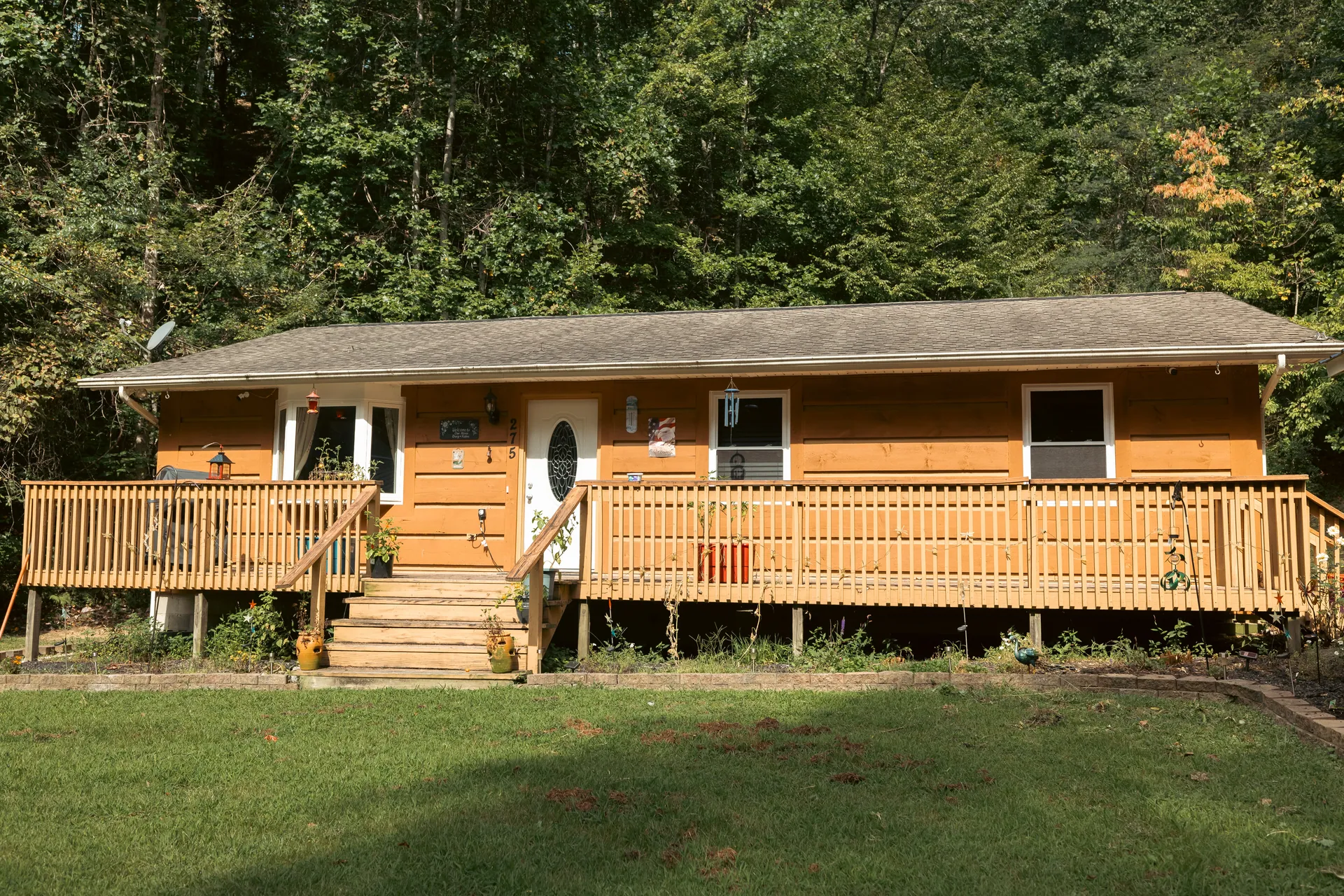
The right color and trim pairing makes a home look finished.
5. Check HOA Rules and Your Street
Many Farragut neighborhoods require approval for exterior colors. Check your HOA rules before you fall in love with a shade. Some have a list of approved colors. Others just ask you to submit samples. If you need approval, leave time for it. Some boards only meet once a month, so plan ahead of your install date.
Drive your street and nearby roads too. You want your home to stand out a little, not clash. A siding color that looks great alone might feel off next to the homes on either side.
6. Plan for Fading and Heat
Quality siding holds color well, but every color fades a little in the sun over time. Very dark colors can show fading more and soak up more heat. On vinyl, that heat can matter, so ask about products made for darker shades.
Lighter and mid-tone colors tend to age more evenly. If you love dark colors, think about using them on trim, shutters or an accent wall instead of the whole house. The Polymeric Exteriors Association shares more about how vinyl siding handles color and weather.
7. Use Accents and the Front Door Wisely
Trim, shutters, the front door and accent areas like gables are where you can have fun. A bold front door or a contrasting gable makes a big impact without committing the whole house to a strong color.
Keep the main siding color calm and let the accents carry the personality. That’s easier to live with, and it’s easy to repaint a door if you change your mind. For more ideas, see our post on creative siding design ideas.
Siding Color Combinations That Work
If you’re not sure where to start, these pairings work well on many East Tennessee homes:
- Tan or beige siding with dark brown or black trim
- Light gray siding with white trim and a navy or red front door
- White siding with black trim and black windows
- Sage or olive green siding with cream trim
- Navy or deep blue siding with crisp white trim
- Charcoal siding with natural wood or stone accents
Use these as a starting point, then test samples against your own roof and stone. A siding color combination that looks great on one house may need a small tweak on yours.
Common Siding Color Mistakes to Avoid
We see the same few mistakes again and again. Avoid these and you’ll be ahead of most homeowners:
- Picking from a tiny chip instead of a large sample
- Ignoring the roof, brick or stone undertones
- Using too many colors, which can look busy
- Choosing a trend color for the whole house
- Forgetting to check HOA rules first
Another common miss is the trim. Plain white trim works on many homes, but a darker or warmer trim can add depth and make the main color look richer.
Also think about your roof timeline. If it’s near the end of its life, it may make sense to pick roof and siding colors together. See our roofing page for options.
How American Home Helps You Pick a Siding Color
American Home is a family-owned company that has served East Tennessee since 1997, with more than 15,000 projects completed. We help Farragut homeowners choose colors and install siding across Knox County.
At your free in-home estimate, we’ll bring samples and hold them up against your home so you can compare in real light. We’ll help you weigh your options and give you a clear, written price. Financing options are available for qualified homeowners. Learn more about our siding services or compare siding materials.
Siding Color FAQs
What is the most popular siding color?
Neutral colors like tan, beige, light gray and white are the most common. They work with many roofs and styles and appeal to the most buyers. Deep greens and blues are popular too.
How do I pick a siding color that matches my roof?
Look at the roof undertone. Black and charcoal roofs work with almost any siding color. Brown roofs look best with warm neutrals, tans and greens.
Do dark siding colors fade faster?
Dark colors can show fading more and absorb more heat. Lighter and mid-tone shades tend to age more evenly. If you want a dark look, ask about products made for darker colors.
How many colors should I use on my house?
Two or three is usually best. One main siding color, one trim color and one accent, like the front door or gables, keeps the look clean.
Can I see siding colors on my house before I choose?
Yes. We bring large samples to your free estimate so you can see them against your roof, brick and trim in real daylight.
See siding colors at your home
We will bring samples, help you compare combinations and give you a clear, no-pressure price.