

New siding is one of the biggest visual changes you can make to your Maryville home, and knowing what to expect makes the whole project easier. It’s a big job. Crews will be around your house for several days, and there’s noise, ladders and a dumpster in the driveway.
Quick answer: A siding project usually goes in nine steps: estimate, choosing colors, prep, removing old siding, repairs, house wrap and flashing, installing the new siding, trim and gutters, and a final walkthrough.
Below, we walk you through each step, from the first visit to the last nail pickup. You’ll know what to do before the crew arrives, what happens behind the old walls and how long the work usually takes.
Ready for new siding in Maryville?
Get a free, no-obligation siding estimate and a clear plan for your project.
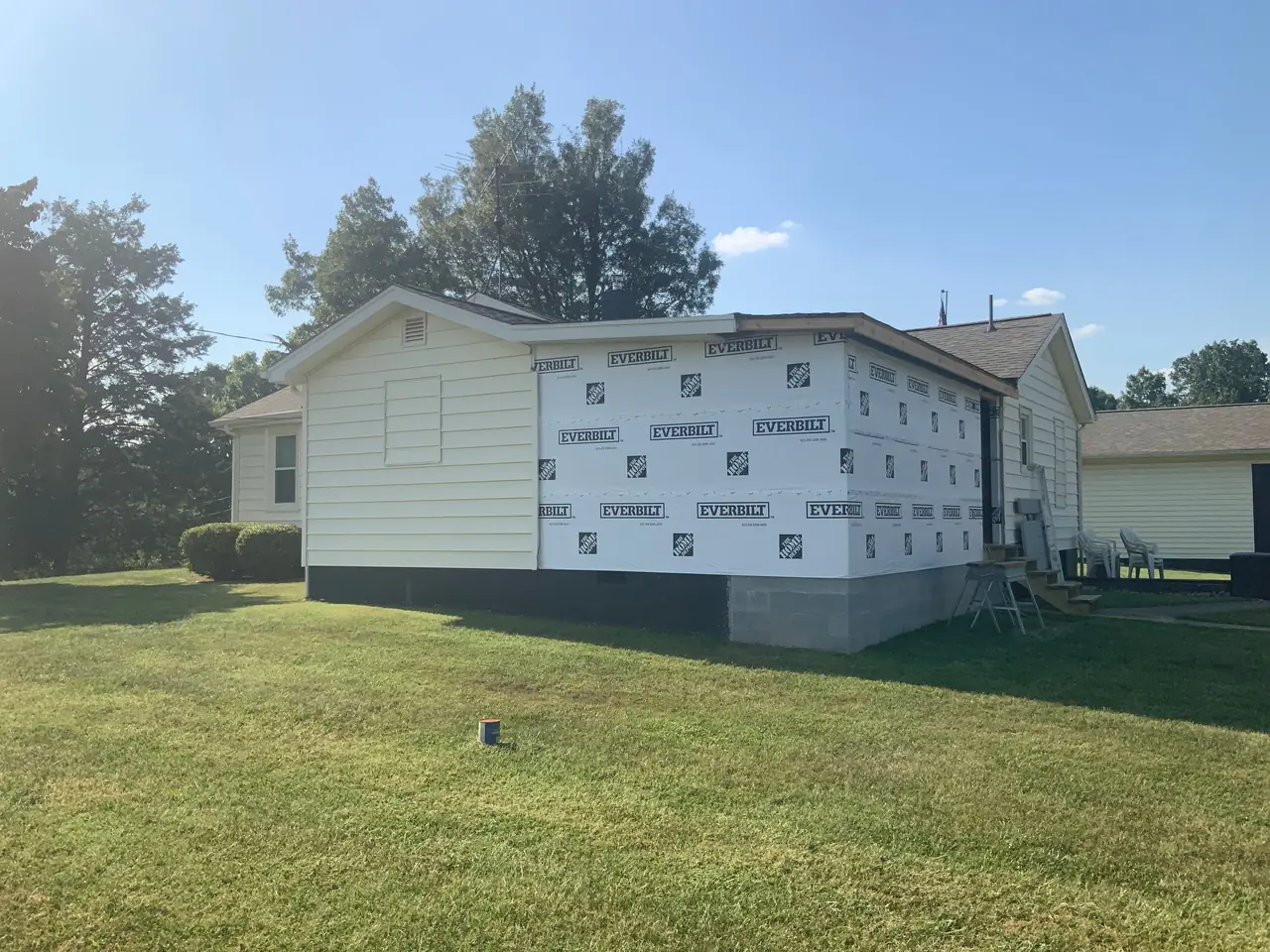
New house wrap goes on before the siding to block water and air.
Why New Siding Is Worth Planning Carefully
Siding protects every outside wall of your home. It keeps out rain, wind and bugs. In Blount County, that means standing up to humid summers, heavy spring rain, pollen, falling leaves and the odd hard freeze. A good job lasts for decades. A rushed one can let water into your walls within a few years.
That’s why the steps behind new siding matter as much as the product. When you understand the process, you can ask better questions, compare contractors fairly and spot shortcuts before they happen. It also helps you plan around family life, like school pickups, pets and work-from-home days.
The New Siding Process in 9 Steps
Every home is a little different, but most new siding projects follow this same path. Some steps take an hour. Others take a few days. Here’s how it usually goes for a typical Maryville home, from the first handshake to the final walkthrough.
Step 1: In-Home Estimate and Measurements
A siding specialist visits and measures every wall. They look at your current siding, trim and soffit, which is the panel under your roof overhang. They’ll also ask about your goals. You may want less upkeep, a new look, better comfort or all three.
You’ll see samples of colors and styles and get a written estimate. This is a great time to ask questions about materials, timing and what happens if they find damage under the old siding. Get everything in writing, including what is and is not included, like trim, soffit and debris removal.
Step 2: Choosing Materials and Colors
This is the fun part. You’ll pick the material, the style, the siding color and the trim color. Styles include lap, board and batten and shakes. You’ll also decide whether to update soffit, fascia and gutters at the same time.
Check your HOA rules if your neighborhood has them. If you’re torn on color, our guide to choosing a siding color can help. You can also compare siding materials side by side.
Step 3: Scheduling and Prep
Once your new siding is ordered, you’ll get a start date. A little prep before the crew arrives keeps things moving and protects your stuff:
- Move cars, grills, patio furniture and potted plants away from the house
- Take down wall decorations, hose reels and anything mounted outside
- Inside, remove pictures and fragile items from outside walls, since the work can cause some shaking
- Plan for pets and kids to stay clear of the work area
Step 4: Removing the Old Siding
The crew removes the old siding one section at a time and hauls it away. This keeps your walls from sitting open for long if the weather turns.
Taking off the old siding also shows the condition of the sheathing underneath. Sheathing is the layer of wood panels that the siding attaches to. This is where hidden problems show up. Expect some noise and a dumpster or trailer in the driveway. Most crews work one side of the house at a time, so you can still use your doors.
Step 5: Repairs Underneath
Any rotted or damaged sheathing, trim or framing gets repaired before new siding goes on. Framing is the wood skeleton of your walls. This is the most important reason to remove old siding instead of covering it.
Putting new siding over rot just hides it. The rot keeps spreading, and you pay for it later. A good contractor will show you any damage and explain the fix before moving on.
Step 6: House Wrap and Flashing
New house wrap goes on next. It’s a thin weather barrier that blocks water and air. The seams get taped so nothing sneaks through.
Windows, doors and spots where the roof meets the wall get flashing. Flashing is the metal or membrane strips that steer water out and away from the wall. This hidden layer does a lot of the real work of keeping your home dry.
Step 7: Installing the New Siding
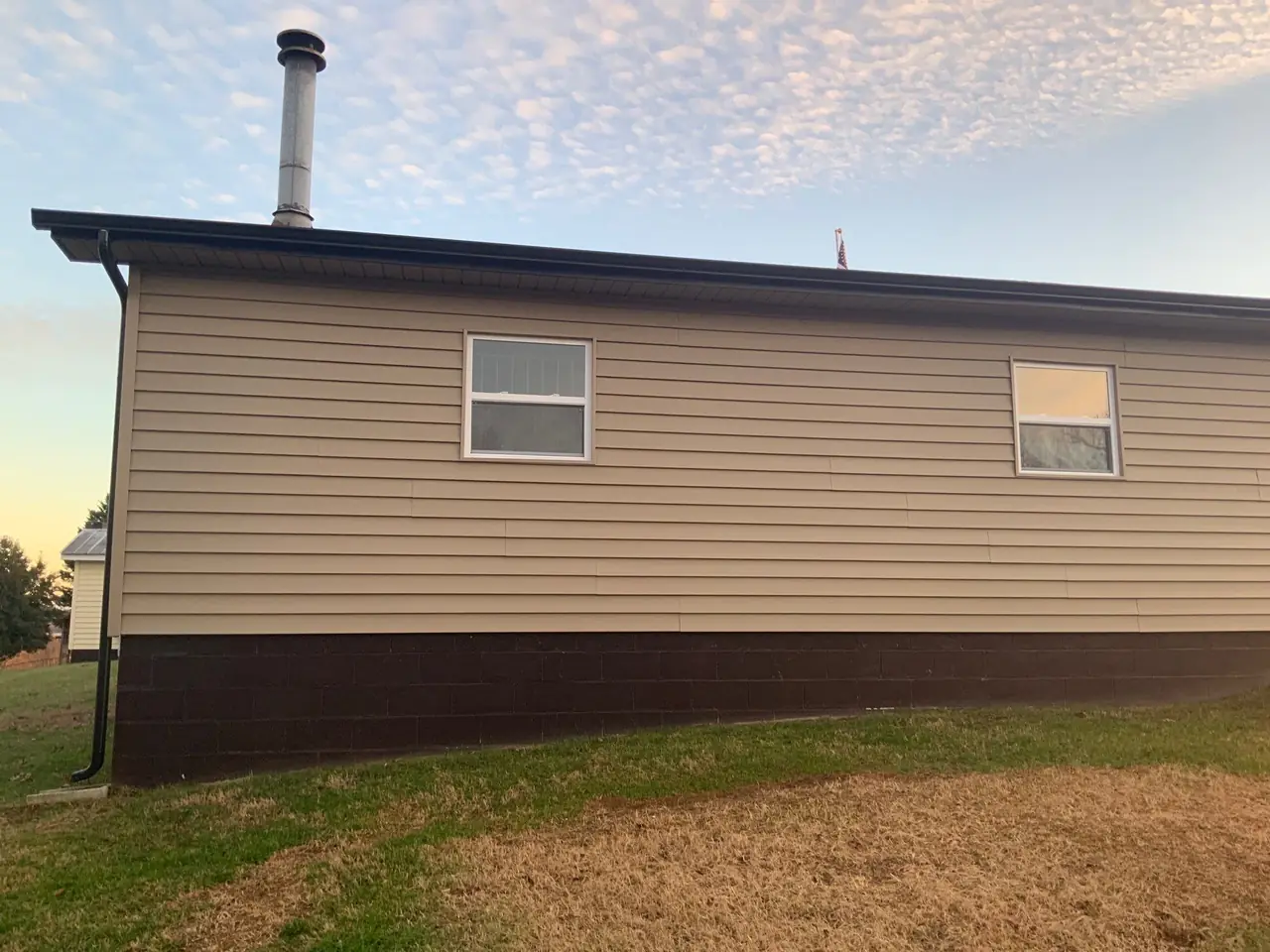
Starter strips, corner posts and J-channel go on first. J-channel is the trim piece that holds siding edges around windows and doors. Then the siding panels go up, row by row, starting at the bottom.
Vinyl siding is nailed loosely enough to expand and shrink as temperatures change. That keeps it straight through hot summers and cold winters. The Polymeric Exteriors Association has more on how vinyl is meant to be installed. James Hardie fiber cement is fastened tightly and caulked at the joints.
Step 8: Trim, Soffit, Fascia and Gutters
New trim around windows and doors finishes the look. Soffit vents let your attic breathe. Fascia covering, the wrap on the board along your roof edge, protects that wood from rain.
If you’re updating gutters, they go on at the end so they sit tight against the new fascia. Well-placed gutters and downspouts keep water off your new siding. Our gutter maintenance tips show how to keep them working.
Step 9: Cleanup and Final Walkthrough
The crew picks up debris and runs a magnet over the yard to catch stray nails. You’ll walk around the house with the project lead. Ask questions and make sure everything looks right.
This is the time to point out anything you’re unsure about. A good contractor wants you happy with your new siding before they call the job done.
How Long Does New Siding Take?
Most single-family homes take several days to about two weeks. The time depends on the size of the house, the siding type, the weather and how much repair work is needed underneath.
Rain can pause the work, especially during removal. Two-story homes, steep lots and lots of trim detail can add time. Your contractor should give you a clear timeline at the estimate and keep you posted if anything changes. Most of the work happens in daylight hours, and good crews leave the site tidy at the end of each day.
Tips for a Smooth Project
A few simple steps on your end can make a new siding project go faster and smoother:
- Pick your colors early so materials can be ordered on time.
- Ask who your main contact will be during the job.
- Trim back shrubs and tree limbs near the walls before work starts.
- Let neighbors know about trucks and noise.
- Keep a list of questions for the final walkthrough.
For a rough idea of your budget, try our home remodeling cost calculator.
New Siding in Maryville and Blount County
American Home is a family-owned company that has served East Tennessee since 1997, with more than 15,000 projects completed. We install vinyl, James Hardie fiber cement and composite siding in Maryville, Alcoa and across Blount County.
It all starts with a free in-home estimate. We’ll measure your home, show you samples and give you a clear, written price for your new siding. Financing options are available for qualified homeowners. Learn more about our siding services.
New Siding FAQs
How long does it take to install new siding?
Most single-family homes take several days to about two weeks. House size, siding type, weather and repairs found under the old siding all affect the timeline.
Do I need to be home during the siding installation?
Not the whole time. It helps to be around on the first day and for the final walkthrough. The crew mostly works outside, so you can usually go about your day.
Will new siding go over my old siding?
We usually remove the old siding. That lets us find and fix rot, add new house wrap and flashing, and make sure your new siding goes onto a solid wall.
What should I do to prepare for new siding?
Move cars, grills and patio furniture away from the house. Take down outside decor and hose reels, and remove fragile items from inside outside walls.
Can siding be installed in winter?
Yes, on most days. Very cold or wet weather can slow some steps. In East Tennessee, siding work goes on for much of the year.
Start your siding project
We will measure your home, show you samples and give you a clear, no-pressure price.