

Siding and gutters are your home’s main defense against rain. When they’re installed the right way, they shed water away from the walls, roof edge and foundation. When they’re not, water slips behind the siding and into the wood frame, often with no sign at all until rot or mold shows up.
Quick answer: A proper install means a solid wall, taped house wrap, flashing at every opening, siding fastened so it can move, clearance from the ground and roof, and gutters sized and sloped to carry water well away from the house.
Below, we explain what good work looks like, so you know what to ask for and what to check. We also cover the signs of a poor install and why it often makes sense to do both jobs at once.
Want siding and gutters done right?
Get a free, no-obligation estimate and an honest look at your walls and drainage.
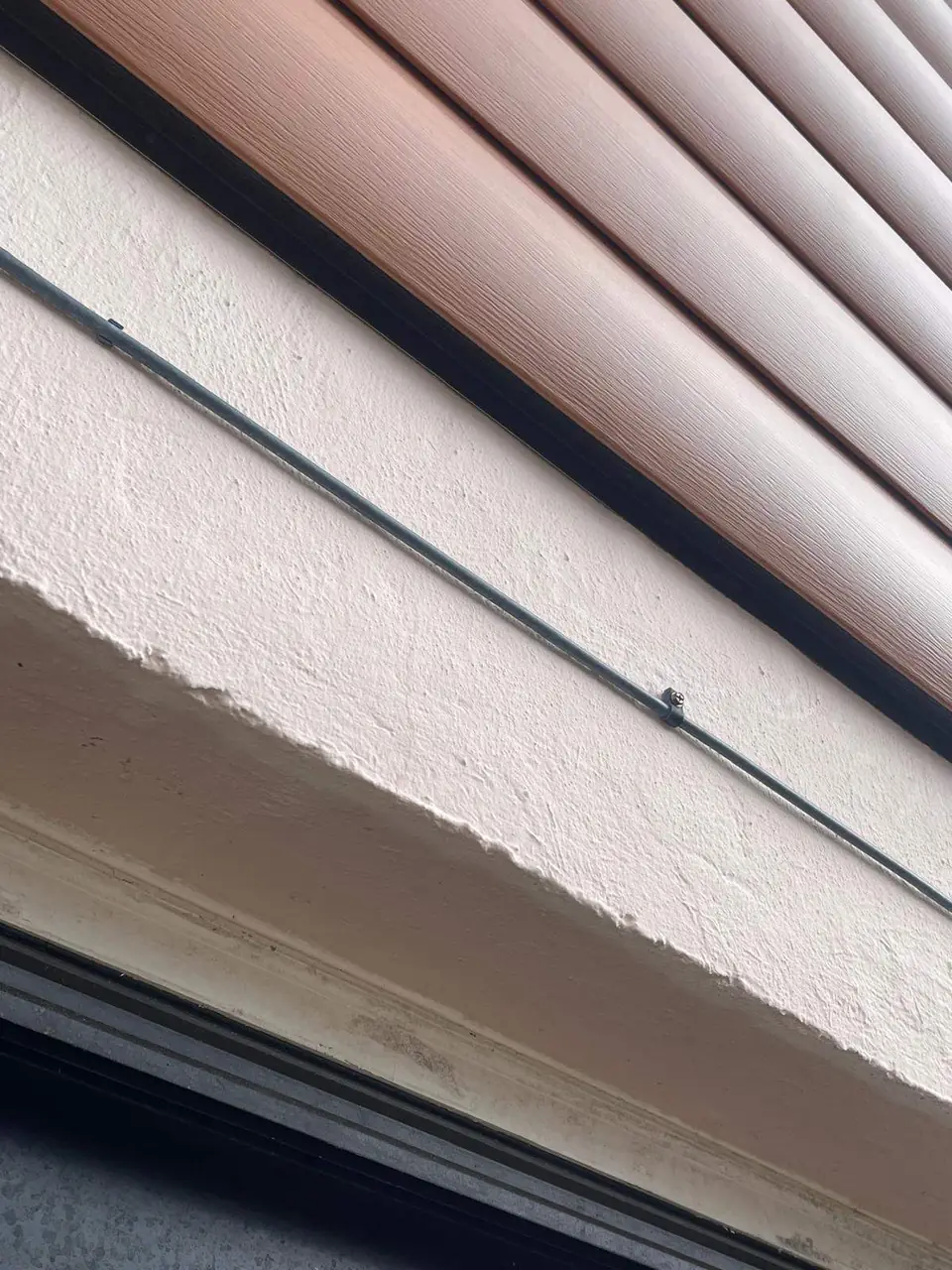
Clean, tight trim details are a sign of careful siding work.
Why Siding and Gutters Work as One System
Think of the outside of your home as a path for water. The roof sheds rain into the gutters. The gutters carry it to the downspouts. The downspouts move it away from the foundation. The siding, house wrap and flashing make sure any water that hits the walls runs down and out, not in.
If one piece fails, water finds the weak spot. An overflowing gutter can soak the top of a wall. A missing piece of flashing can let water behind the siding. That’s why siding and gutters should be planned and checked together, not as two separate jobs.
What Proper Siding Installation Includes
The siding you see is only the top layer. Most of what keeps water out sits behind it or at the edges. Here are the details that separate a dry, long-lasting wall from one that leaks. Ask any contractor how they handle each one.
A Sound Wall Underneath
Old siding should come off so the sheathing can be checked. Sheathing is the layer of wood panels under the siding. Rotted or soft areas get replaced before anything new goes on.
Covering rot with new siding just hides it. The damage keeps spreading, and the fix gets bigger and costlier later. A good installer will show you any problems they find and explain the repair.
A Continuous Weather Barrier
House wrap is a thin weather barrier that goes on the wall before the siding. It should be installed shingle-style, with upper layers overlapping lower ones, and the seams taped.
It stops wind-driven rain that gets past the siding. It also lets moisture inside the wall dry out. Older homes often have no house wrap at all, which is why they can feel drafty and get wet walls after storms.
Flashing at Every Opening
Flashing is the metal or membrane strips that seal joints. Windows, doors, spots where the roof meets a wall and openings like dryer vents and hose faucets all need it. Good flashing sends water out over the siding instead of behind it.
Missing flashing around windows is one of the most common causes of wall rot we find. It’s also one of the easiest steps for a rushed crew to skip, so ask about it.
Correct Fastening
Vinyl siding must hang on its nails with a little room to move. If it’s nailed too tight, it buckles in summer heat. That’s why you sometimes see wavy siding on sunny walls.
James Hardie fiber cement is different. It’s fastened tightly and has its own spacing and caulking rules. Either way, the installer should follow the maker’s instructions for your product.
Proper Clearances
Siding should stop several inches above the ground. It also needs a gap above roof surfaces, decks and patios. Siding that sits in soil or on a roof wicks up water like a sponge and rots the trim behind it.
This matters a lot on sloped East Tennessee lots, where soil and mulch can creep up the wall over time. Keep an eye on it every year.
Clean Trim Details
J-channel, corner posts and trim should be cut and lapped so water drains out, not in. J-channel is the trim piece that holds the siding edges around windows and doors.
Small details here make the difference between a neat, dry wall and a slow leak. Look for tight, even joints and no gaps where water could sneak in.
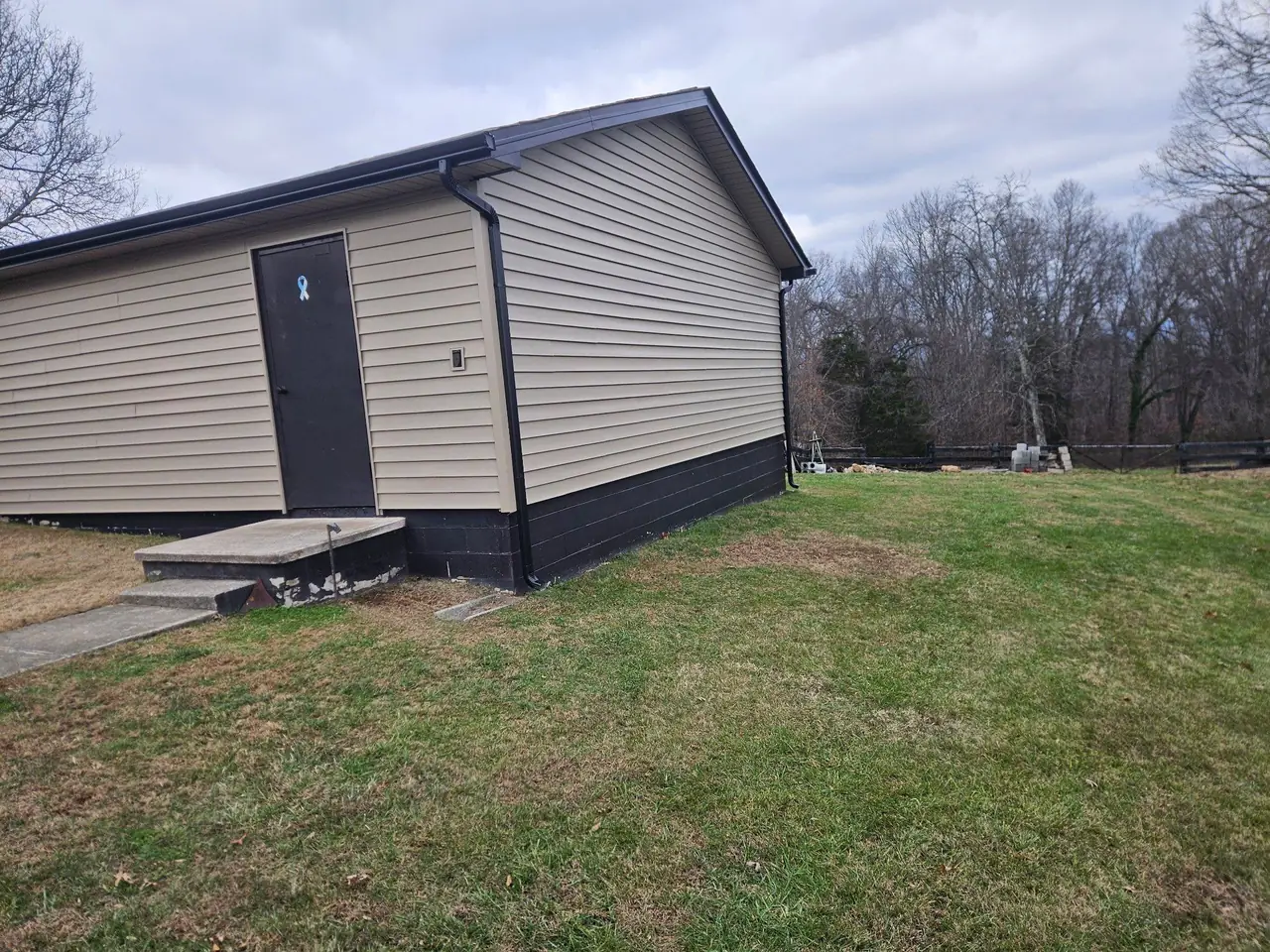
A downspout should carry water away from the walls and foundation.
7 Essential Checks for Proper Gutter Installation
Gutters seem simple, but small mistakes cause big problems. A good gutter install should check all seven of these boxes:
- The right size: gutters and downspouts sized for your roof and our heavy downpours.
- Correct slope: a slight tilt toward each downspout so water doesn’t sit.
- Solid attachment: hidden hangers fastened into the fascia at close spacing. Fascia is the board along the roof edge.
- Drip edge behind the gutter: a metal strip so roof water lands in the gutter, not behind it.
- Enough downspouts: placed where water can drain away from the house.
- Discharge away from the foundation: extensions or drains that move water several feet out.
- Leaf protection where needed: guards help on homes under heavy tree cover.
For upkeep after the install, see our gutter maintenance tips.
East Tennessee Weather and Your Siding and Gutters
Our weather puts siding and gutters to the test. Spring storms can dump a lot of rain in a short time. Summers are hot and humid, so damp walls grow mildew fast. In fall, leaves and pine needles clog gutters. Winter freeze-thaw cycles can crack caulk and loosen fasteners.
Red clay soil also drains slowly. When downspouts dump water near the house, it can pool at the foundation and splash the lower siding. Over time, that leads to stains, rot and a damp crawl space. Moisture like that can also lead to mold. The EPA’s guide to mold and moisture explains why it’s worth stopping early.
Signs of a Poor Siding and Gutters Install
You don’t need to be a pro to spot trouble. Walk around your home after a good rain and look for these signs:
- Wavy or buckled vinyl siding on sunny walls
- Stains or peeling paint below windows
- Gutters that overflow in moderate rain or hold standing water
- Water pooling near the foundation or a damp crawl space
- Soft trim at the bottom of walls or where the roof meets a wall
- Gutters pulling away from the fascia
If you see several of these, have someone take a closer look at your siding and gutters. Our post on how to prevent water damage covers more warning signs.
Why We Install Siding and Gutters Together
Siding, trim, fascia and gutters all meet at the roof edge. Installing siding and gutters as one system means the flashing and drip edge are lapped the right way. Nothing is left for another trade to figure out later.
It also saves you hassle. One crew, one schedule and one point of contact. If your roof is also aging, it can make sense to plan it at the same time. See our roofing page for options.
How American Home Helps
American Home is a family-owned company that has served East Tennessee since 1997, with more than 15,000 projects completed. We install siding and gutters across Knoxville and Knox County, and throughout the surrounding counties.
At your free in-home estimate, we’ll check your walls, trim and drainage and explain what we find in plain words. You’ll get a clear, written price. Financing options are available for qualified homeowners. If a storm caused the damage, see our storm damage repair page. Learn more about our siding services.
Siding and Gutters FAQs
Why should siding and gutters be installed together?
They meet at the roof edge and work as one water system. Installing them together means flashing and drip edge overlap correctly, with one crew and one schedule.
How do I know if my siding was installed wrong?
Look for wavy or buckled panels, stains below windows, soft trim near the ground and siding that touches soil or the roof. These often point to install problems.
What size gutters does my home need?
It depends on your roof size and pitch. Many homes in our area benefit from larger gutters and downspouts because of heavy spring storms. We size them at your estimate.
Do I need gutter guards?
If your home sits under trees, leaf protection can cut down on clogs and overflow. Homes with little tree cover may do fine with regular cleaning.
How far should downspouts drain from the house?
Several feet away from the foundation is a good rule. Extensions or underground drains help move water away, which matters with our slow-draining red clay.
Get a free siding and gutter estimate
We will check your walls, trim and drainage and give you a clear, no-pressure price.