

The right window shades control light, add privacy, help with heat and cold, and finish the look of a room. But the best choice for a sunny living room isn’t the same as the best choice for a bedroom you want dark, or a steamy bathroom.
Quick answer: Use light-filtering or solar window shades in living areas, blackout shades in bedrooms, and moisture-resistant options like faux-wood blinds or vinyl roller shades in kitchens and baths. Cellular shades add the most insulation.
Here’s a room-by-room guide to choosing shades and blinds, plus how your windows themselves affect comfort and light. If drafts or foggy glass are the real issue, we’ll cover that too.
Are your windows the real problem?
Get a free, no-obligation window estimate from American Home.
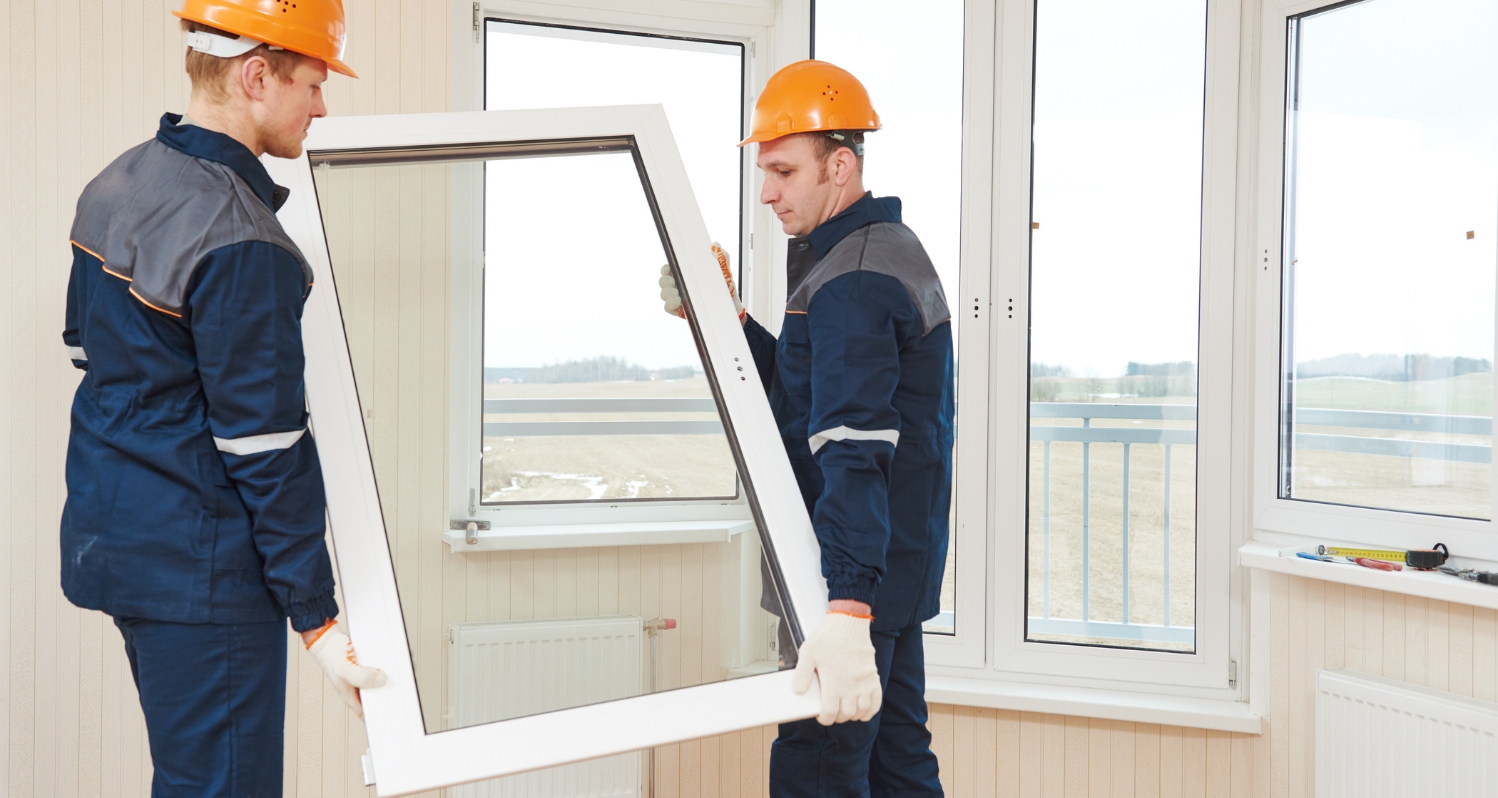
Good windows let you pick shades for style, not just to block the sun.
What Window Shades Do for Your Home
Shades do more than cover glass. They help you manage four things in every room: light, privacy, temperature, and style. The trick is knowing which one matters most in each space.
A home office needs glare control. A bedroom needs darkness. A front room facing the street needs privacy at night. Once you know the main job, picking the right window shades gets much easier.
Common Types of Window Shades and Blinds
There are many styles on the market. These are the ones you’ll see most often:
- Cellular (honeycomb) shades: air pockets add insulation. They come in light-filtering and blackout fabrics.
- Roller shades: simple and clean, from sheer screens to full blackout.
- Roman shades: soft fabric folds for a tailored look.
- Wood and faux-wood blinds: slats you can tilt for exact light control. Faux wood stands up to moisture.
- Solar shades: cut glare and heat while you keep your view.
- Plantation shutters: a lasting, built-in option with great light control.
- Top-down/bottom-up shades: let light in from the top while keeping privacy below.
Light-Filtering vs. Blackout
Light-filtering fabrics soften the sun and let a gentle glow into the room. They’re great for living spaces. Blackout fabrics block nearly all light, which makes them ideal for bedrooms and media rooms.
Some window shades come in a dual style, with a sheer layer and a blackout layer on the same headrail. That gives you both options in one window.
Choosing Window Shades Room by Room
Each room has its own needs. Here’s what tends to work best in each part of the house.
Before you shop, stand in each room at a few times of day. Notice where the sun hits, when glare bothers you, and which windows face a neighbor or the street. Those notes will guide every choice.
Living Room
You want light and views by day and privacy at night. Solar shades or light-filtering cellular shades work well here. Top-down/bottom-up shades let light in while blocking views from the street.
For a warmer, layered look, pair your shades with drapes. The drapes add style and an extra layer against cold glass in winter.
Bedrooms
Blackout cellular or roller shades help you sleep, especially on east-facing windows that catch the early sun. Cellular shades also add insulation on cold nights.
Look for shades with side channels or an inside fit that leaves only small gaps. Light leaking around the edges can still wake light sleepers.
Kitchen
Choose easy-to-clean, moisture-resistant options. Faux-wood blinds, vinyl roller shades, and cafe-style shutters all work well. Keep anything near the stove short and away from heat.
Since kitchens get grease and steam, skip fabrics that are hard to wipe down. Simple is usually better here.
Bathroom
Humidity rules out real wood and many fabrics. Faux-wood blinds, vinyl roller shades, or shutters made for wet areas hold up best. Top-down/bottom-up window shades give privacy while still letting in natural light.
Good airflow matters too. Run the bath fan during and after showers so moisture doesn’t build up on the glass and shades.
Home Office
Glare on screens is the main problem. Solar shades or adjustable blinds let you tune the light through the day. A west-facing office may need more heat control in the afternoon than an east-facing one.
If you take video calls, think about light on your face, too. A light-filtering shade behind you and a solar shade on the side window can make calls look better and cut eye strain.
Kids’ Rooms and Nurseries
Pick cordless shades for safety. Add blackout fabric for naps and early bedtimes. Durable, wipeable materials hold up better to small hands than delicate fabrics.
Fun colors and patterns are fine, but think about the long run. A neutral shade can grow with your child, and you can add color with curtains or decor that is easy to swap later.
Sunrooms and Mountain Cabins
Sunrooms and cabins in Sevier County often have walls of glass. Solar shades cut heat and glare without hiding the view of the mountains. Motorized shades can make tall or hard-to-reach windows easier to use.
Glass walls can also make rooms hot in summer and cool in winter. Cellular window shades help on both counts. For cabins you rent out, pick simple, sturdy styles that guests can’t easily break.
Picking Colors and Materials
Color changes how a shade works, not just how it looks. Light colors reflect more sun and keep a room bright. Dark colors cut glare better and help you see out through solar shades, but they can soak up heat on the glass side.
Many window shades have a white or light backing that faces outside. That gives your home a neat, even look from the street, even if you pick bold colors inside. For humid rooms, stick with vinyl, faux wood, or polyester fabrics that resist moisture and mildew.
How to Measure for Window Shades
A good fit makes shades look better and work better. First decide how you want to mount them:
- Inside mount: the shade fits inside the window frame. It looks clean but needs enough depth.
- Outside mount: the shade hangs on the wall or trim above the window. It blocks more light and can make a window look bigger.
Measure the width at the top, middle, and bottom, and use the smallest number for an inside mount. Measure the height in three spots too. If your windows are out of square, that’s often a sign of an older or settling frame worth a closer look.
Window Shades and Energy Efficiency
Cellular shades and lined drapes add a layer of insulation that helps on cold nights. Closing window shades on sunny west and south windows in summer keeps rooms cooler and takes some load off your AC.
But shades work best with windows that already seal well. If you feel drafts with the shades closed, or see fog between the panes, the window itself is the problem. No shade can fix a leaking frame or failed glass.
Safety Tips for Window Shades
Loose cords can be a danger to young children and pets. When you shop, look for cordless or motorized styles, especially in kids’ rooms. If you keep older corded blinds, use cord cleats mounted high on the wall to keep cords out of reach.
Also keep cribs, beds, and furniture away from windows so little ones can’t climb up to the cords or the glass.
When to Upgrade the Windows, Not Just the Shades
Sometimes new shades are a bandage on a bigger problem. Think about new windows if you notice:
- Drafts around closed windows
- Fog between panes, or single-pane glass
- Condensation and water damage on sills
- Windows that are hard to open or lock
New low-E windows block much of the UV light that fades furniture and cut heat gain. Look for windows that are ENERGY STAR certified for our climate. Then you can choose window shades for style, not just to fight the sun. Learn more about low-E windows and the benefits of double pane windows.
How American Home Helps
American Home doesn’t sell shades, but we do replace the windows behind them. We’re family-owned and have served East Tennessee since 1997, with more than 15,000 projects completed across Knox, Blount, Anderson, Loudon, and Sevier counties.
If drafts, fog, or hard-to-open windows are the real issue, we’ll give you a free in-home estimate and a clear price. Financing options are available for qualified homeowners. See our window replacement services, browse types of windows, or try our cost estimate calculator.
Window Shades FAQs
What are the best window shades for bedrooms?
Blackout cellular or roller shades work best. They block light for better sleep, and cellular shades add insulation on cold nights.
Which window shades help with energy savings?
Cellular shades trap air in their pockets, so they insulate the most. Closing shades on sunny windows in summer also helps keep rooms cooler.
What shades work in a bathroom?
Pick moisture-resistant options like faux-wood blinds, vinyl roller shades, or shutters made for wet areas. Real wood and many fabrics can warp or mildew.
Are cordless shades safer?
Yes. Cordless and motorized shades remove loose cords that can be a danger to young children and pets.
Can shades fix a drafty window?
They can soften a small draft, but they can't fix a leaking frame or failed glass. If you feel air with the shades closed, the window likely needs attention.
Get a free window estimate
If drafts or foggy glass are the issue, we will give you a clear, no-obligation price for new windows.