
Low-E windows are one of the simplest ways to keep your Maryville home cooler in summer and warmer in winter. They look like plain clear glass, but a thin coating does a lot of quiet work. Paired with the right frame and a good install, they make rooms more comfortable all year.
Quick answer: Low-E windows have a very thin, clear metal coating that reflects heat. In East Tennessee, double-pane low-E windows with argon gas and a well-sealed install are usually the best value for comfort and energy use.
Terms like low-E, argon, warm-edge spacers, and U-factor can make shopping confusing. This guide breaks each one down in plain words and shows you how to compare your options.
Looking at low-E windows in Maryville?
Get a free, no-obligation window estimate from American Home.
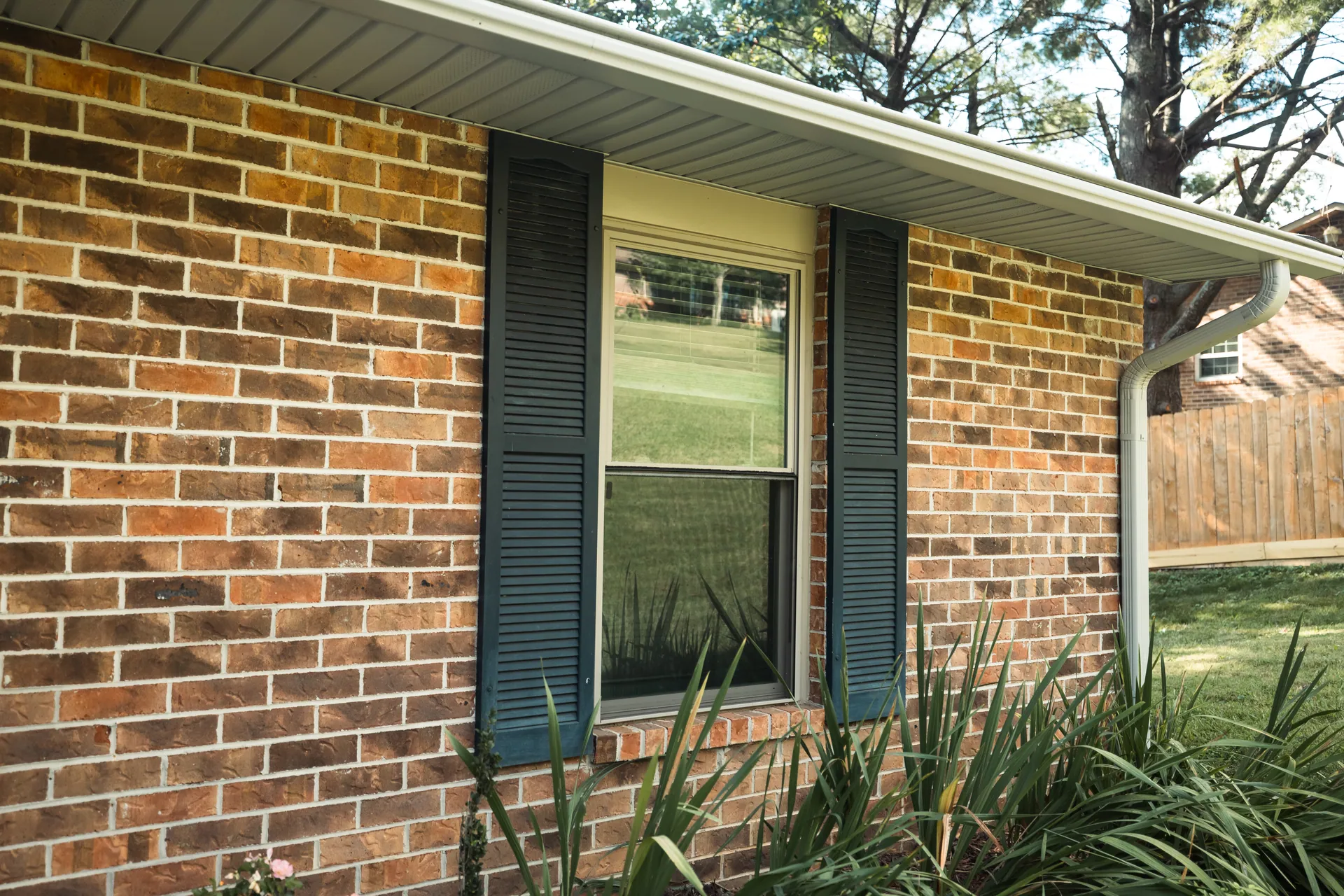
Low-E glass looks clear but reflects heat in summer and winter.
What Are Low-E Windows?
Low-E stands for low emissivity. Emissivity is how much heat a surface gives off. Regular glass gives off a lot of heat, so warmth moves right through it. Low-E glass has a coating that bounces much of that heat back where it came from.
The coating is many times thinner than a human hair. You can’t see it in most light. It’s put on one of the inside surfaces of a double-pane unit, where it’s protected from scratches and weather.
How a Low-E Coating Works Year Round
In summer, the sun’s heat hits your windows all afternoon. Low-E windows reflect much of that heat back outside, so rooms stay cooler and your AC doesn’t run as hard.
In winter, it works the other way. Heat from your furnace or heat pump tries to escape through the glass. The coating reflects much of it back into the room. That’s why the glass feels less cold when you sit near it. The coating also blocks much of the UV light that fades floors, rugs, and furniture.
Why Low-E Windows Make Sense in Maryville
Maryville sits in a mixed climate. Summers are long, hot, and humid. Winters bring cold snaps and damp, chilly mornings. Many homes also face open views toward the Smokies, with lots of direct sun on south and west walls.
A window here has to fight both heat and cold. That’s exactly what low-E windows are built to do. They’re a good fit for older ranch homes with original single-pane glass, and for newer homes where the first set of windows has started to fog or leak.
Types of Low-E Coatings
Not all low-E glass is the same. Makers tune coatings for different jobs. In general, you’ll hear about two kinds:
- Coatings that let in more sun heat: often used in cold northern climates where winter sun is welcome.
- Coatings that block more sun heat: often used in warm or mixed climates like ours, where summer cooling is a big deal.
For most East Tennessee homes, a coating that blocks a good share of summer heat while still holding heat in during winter is the sweet spot. Your installer can show you the ratings for each option so you don’t have to guess.
Other Parts of an Energy-Efficient Window
A coating is only one piece. A window’s efficiency also comes from the glass layers, the space between them, the frame, and how well it seals. Here’s what to look for in each part.
Think of it like a good winter coat. The fabric matters, but so do the lining, the zipper, and how well it fits. A window works the same way. One weak part can drag down the rest, so it pays to look at the whole package.
Double-Pane Insulated Glass
Two panes of glass with a sealed space between them insulate far better than one pane. Double-pane glass is the standard for replacement windows today. Most low-E windows are built this way. See the benefits of double-pane windows for more.
If your home still has single-pane glass, this step alone is a big jump in comfort. Rooms feel less chilly near the glass, and outside noise from traffic and storms drops too.
Gas Fills
Argon or krypton gas between the panes slows heat transfer better than plain air. Argon is the most common. It adds efficiency at little added cost, so it’s often included with low-E glass.
Over many years, a small amount of gas can slowly escape. If the seal fails, you’ll usually see fog between the panes, which is a sign the glass unit needs to be replaced.
Warm-Edge Spacers
The spacer is the strip that keeps the two panes apart around the edge. Older metal spacers let heat leak out at the edge of the glass. Warm-edge spacers use materials that conduct less heat. They also help stop condensation along the bottom of the glass on cold mornings.
Frame Materials
The frame holds everything together, and it affects comfort too. Here’s a quick look:
- Vinyl: good insulation, low upkeep, and budget friendly. The most popular choice for replacement windows.
- Fiberglass: strong, stable, and efficient, usually at a higher price.
- Wood and clad wood: natural beauty and good insulation, with more upkeep.
- Aluminum: strong but conducts heat, so it’s less common in homes today.
Tight Seals
Weatherstripping, the window style, and the install all affect how much air sneaks in. Casement and awning windows press against the frame when closed and usually seal tightest. Our guide to types of windows compares styles.
Even the best low-E windows will leak if the gap between the frame and the wall isn’t filled and sealed. A good crew insulates that gap, adds flashing to steer water away, and caulks the outside trim. That last step is where many cheap installs fall short.
Double-Pane vs. Triple-Pane Low-E Windows
Triple-pane windows add a third pane and a second gas-filled space. They insulate better and cut more noise. They also cost more and weigh more, which can matter for large openings.
In East Tennessee’s mixed climate, quality double-pane low-E windows are usually the best value. Triple-pane can make sense for bedrooms near a busy road, or homes on exposed ridges that take a lot of wind.
How to Compare Low-E Windows
When you have a few quotes in hand, use this checklist to compare them fairly:
- Look for ENERGY STAR certification for the South-Central climate zone.
- Compare U-factor. Lower means better insulation.
- Compare solar heat gain. Lower blocks more summer heat.
- Check air leakage ratings. Lower is tighter.
- Compare frame materials and window styles.
- Ask how each window will be installed, sealed, and flashed.
Our guide on how to read a window energy label explains each rating step by step.
Do Low-E Windows Look Tinted?
Most modern low-E windows look clear. Some coatings that block more heat can have a very faint tint when you look at them from certain angles or from outside. Most people never notice it once the windows are in.
Low-E glass can let in slightly less light than plain glass. If you have a sunroom full of plants or a dark room you want brighter, ask about coatings with higher visible light. It’s an easy fix to plan for up front.
What You Can Expect From Low-E Windows
Every home is different, but here’s what many homeowners notice after the switch:
- Fewer drafts and more even temperatures near windows
- Less work for your heating and cooling system
- Less outside noise
- Less fading of floors and furniture
- Easier opening, closing, and cleaning
Real energy savings depend on your old windows, your home, and how you heat and cool it. Replacing old single-pane or failed windows usually makes the biggest difference. See more energy-efficient upgrades for Maryville homes.
How American Home Helps Maryville Homeowners
American Home is family-owned and has served East Tennessee since 1997. We’ve completed more than 15,000 projects, and we replace windows in Maryville and across Blount County, plus Knox, Anderson, Loudon, and Sevier counties.
At a free in-home estimate, we’ll compare glass and frame options for your home and explain the ratings on each. You’ll get a clear price, and financing options are available for qualified homeowners. See our window replacement services to learn more.
Low-E Windows FAQs
What are low-E windows?
Low-E windows have a very thin, clear metal coating on the glass. It reflects heat, so it helps keep summer heat out and winter heat in.
Are low-E windows worth it in East Tennessee?
For most homes, yes. Our climate has hot summers and cold snaps, and low-E glass helps with both. It also blocks much of the UV light that fades floors.
Do low-E windows block sunlight?
They let most daylight through. Some coatings cut a little light, so check the visible light rating if you want a very bright room.
Should I choose double-pane or triple-pane?
Double-pane low-E windows are usually the best value here. Triple-pane can help in loud or very exposed spots, but it costs and weighs more.
Can I add low-E film to my old windows?
Films exist, but they don't fix drafts, failed seals, or worn frames. If your windows are old or foggy, new windows usually make more sense.
Get a free window estimate
We will compare glass and frame options for your home and give you a clear, no-obligation price.