

Types of windows vary more than most people think, and the ones you choose shape your home’s look, comfort and energy bills. If you’re replacing old windows or planning a remodel, knowing the names and how each one opens makes shopping much easier. It also helps you talk clearly with your installer.
Quick answer: the most common types of windows for homes are double-hung, single-hung, casement, sliding and picture windows, with awning, bay and bow windows close behind.
This guide covers 14 types of windows: how each one opens, where it works best, and how frame materials compare. We also share tips for East Tennessee homes, where hot, humid summers and chilly winters both test your windows.
Replacing windows in Knoxville?
Get a free, no-obligation estimate from American Home, with financing options for qualified homeowners.
Types of Windows and Names at a Glance
Here are the 14 most common types of windows for homes, how each one opens and where it works best. Use it as a quick cheat sheet, then read the details below.
| Window type | How it opens | Best for |
|---|---|---|
| Single-hung | Bottom sash slides up; top is fixed | Bedrooms, hallways, budget projects |
| Double-hung | Both sashes slide up and down | Bedrooms, living rooms, traditional homes |
| Casement | Hinged on the side; cranks outward | Kitchens, over sinks, hard-to-reach spots |
| Awning | Hinged on top; opens outward at the bottom | Bathrooms, basements, rainy-day airflow |
| Hopper | Hinged on the bottom; tilts inward | Basements, laundry rooms |
| Sliding | Sash glides side to side | Wide openings, patios, compact rooms |
| Picture (fixed) | Does not open | Views and natural light |
| Bay | Three panels angled out from the wall | Living and dining rooms, window seats |
| Bow | Four or more panels in a gentle curve | Large living rooms, curb appeal |
| Garden | Small glass box that projects outward | Over a kitchen sink, plants |
| Transom | Narrow window above a door or window | Extra light in entries and hallways |
| Egress | Large enough to climb out in an emergency | Bedrooms and finished basements |
| Skylight | Set into the roof | Interior rooms, bathrooms, stairwells |
| Specialty shapes | Usually fixed: circle, arch, triangle | Foyers, gables, accents |
14 Types of Windows for Homes
Each of these types of windows suits different rooms, styles and needs. Some give clear views. Others bring in more fresh air or add character to the outside of your home. Here’s how the most common styles compare, starting with the ones homeowners ask about most often.

Double-Hung Windows
Double-hung windows have two sashes that slide up and down. A sash is the part of the window that holds the glass. You can open the top, the bottom or both. Opening both lets warm air escape at the top while cool air comes in at the bottom.
Many models tilt in, so you can clean the outside glass from inside. That’s handy on a second floor or a home on a hill. Double-hung windows fit both traditional and modern homes, which is why they’re so common across Knoxville.
Single-Hung Windows
Single-hung windows look like double-hung windows, but only the bottom sash moves. The top sash stays fixed. With fewer moving parts, they are one of the most budget-friendly types of windows. They’re a common choice for bedrooms, hallways and rental homes.
The trade-off is less control over airflow. The outside of the top pane is also harder to clean. On a ground floor, that’s usually not a big deal.
Casement Windows
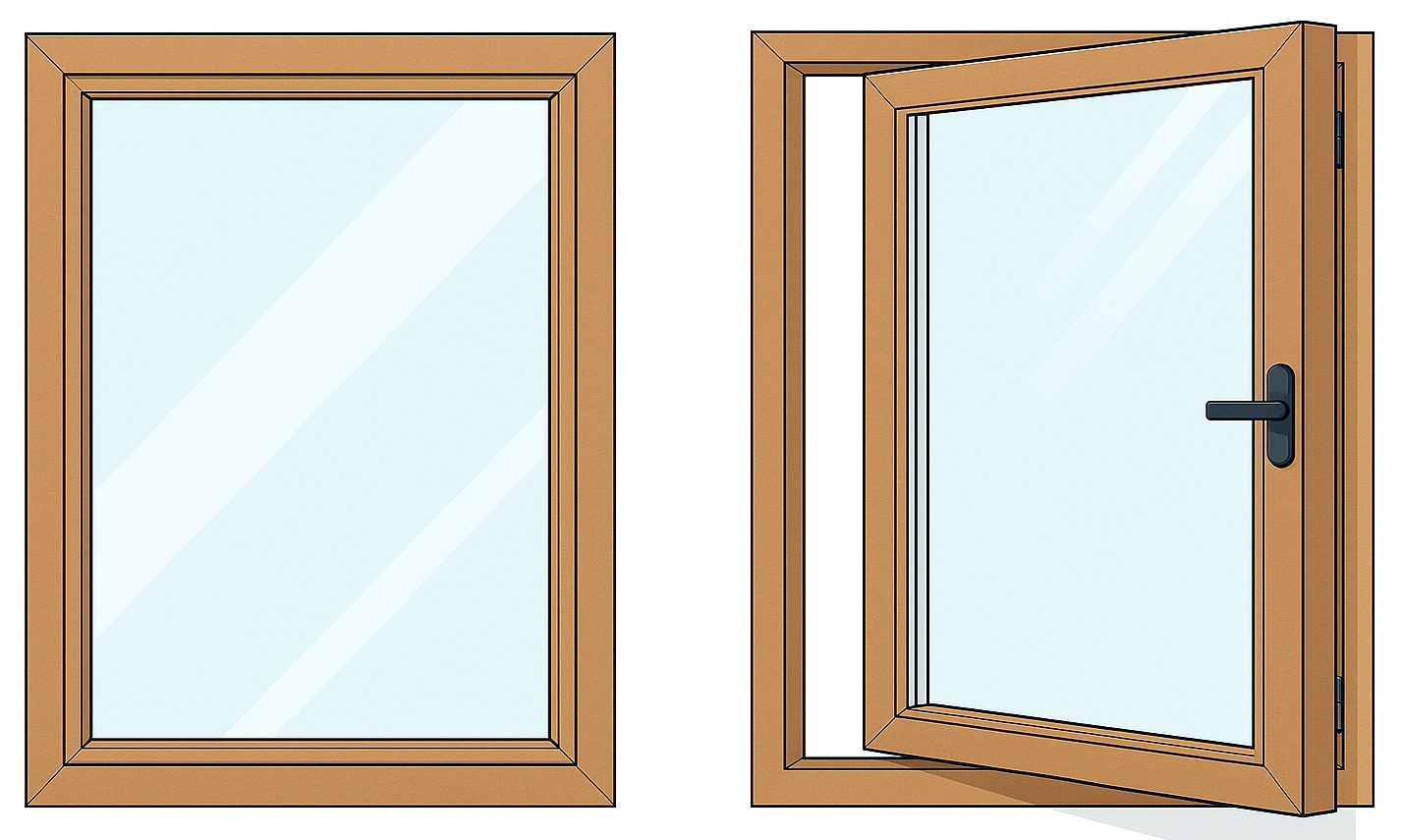
Casement windows are hinged on the side and crank outward. They open all the way, so they catch passing breezes and let in lots of fresh air. They work well over a kitchen sink, where it’s hard to reach up and push a sash.
When closed, the sash presses tight against the frame. That tight seal helps keep drafts out, a plus during cold East Tennessee winters. Learn more in our guide to casement windows.

Awning Windows
Awning windows are hinged at the top and open outward from the bottom, like a small awning. Because the glass tilts out over the opening, you can leave them open during a light rain. That’s useful in our wet spring months.
They’re a good fit for bathrooms, basements and spots high on a wall. Many homeowners pair them below or above a picture window to get both a view and fresh air.
Hopper Windows
Hopper windows are hinged at the bottom and tilt inward from the top. They are small, secure and easy to use. That makes them a good fit for basements, laundry rooms and bathrooms where you want airflow without a large opening.
Because they open inward, keep them clear of blinds and shelves. In a basement, a hopper window can help air out damp spaces on a nice day.
Sliding Windows
Sliding windows move side to side along a track. They’re simple and durable. They work well where you have a wide, short opening, like over a counter or in a compact bedroom. Their wide panes give you a broad view.
Keep the track clean. Pollen, leaves and dirt can build up in the track and make the sash hard to slide. A quick vacuum each spring helps a lot.

Picture (Fixed) Windows
Picture windows don’t open, but they let in plenty of natural light. They frame outside views and are common in living rooms, stairwells and entryways. Their clean look fits both modern and classic homes.
Since they have no moving parts, they seal tight and need little care. If your home looks out at the Smoky Mountains or a wooded lot, a picture window shows it off.

Bay and Bow Windows
Bay windows have three panels angled out from the wall. Bow windows use four or more panels in a gentle curve. Both push out past the wall, adding a bit of floor space and a lot of light. They’re great for living rooms and dining rooms, and they make a cozy spot for a window seat.
These windows need solid support below or a small roof above. Installing them is more involved than a standard window, so they usually cost more. Done right, they add a lot of curb appeal.
Garden Windows
A garden window is a small, three-sided glass box that sticks out from the wall, usually over a kitchen sink. The glass top and sides bring in extra light and make a shelf for herbs and plants. Many include side vents for airflow.
Because the top is glass, a garden window can get hot on a sunny summer afternoon. Low-E glass helps. Low-E means a thin coating on the glass that reflects heat.
Transom Windows
Transom windows are narrow windows set above a door or another window. They add light to entryways and hallways without giving up privacy or wall space. Most are fixed, though some tilt open for airflow.
Transoms are common in older Knoxville homes, especially Craftsman and colonial styles. Adding or replacing one is an easy way to brighten a dark front hall.
Egress Windows
An egress window is large enough for a person to climb out in an emergency. Building codes require them in bedrooms and finished basements. The code sets a minimum opening size and a maximum sill height, which is how high the bottom of the window sits off the floor. Our window size guide covers the typical dimensions.
If you’re finishing a basement or turning a room into a bedroom, check egress rules before you start. Casement and sliding windows often make it easier to meet the opening size.
Skylights
Skylights are windows set into the roof. They bring daylight into inner rooms, bathrooms and stairwells with little wall space for windows. Because they sit in the roof, careful flashing, the metal strips that seal joints, is a must to prevent leaks.
Heavy spring storms in East Tennessee test every roof opening. If you add a skylight, plan it with your roofer and make sure it’s sealed well.

Specialty and Custom Shapes
Looking for something unique? Specialty windows come in shapes like circles, arches, triangles and octagons. They are usually fixed and used as accents in foyers, above doors or high on gable walls. They add character and extra light.
Custom shapes take longer to make and cost more than standard sizes. Many homeowners use one or two as accents and stick to standard types of windows for the rest of the house.
Popular Window Styles and Names
The names for types of windows can feel confusing at first. But most names follow a simple pattern. Once you know it, you can look at almost any window and know what to call it.
Traditional vs. Modern Styles
Traditional styles, such as double-hung and bay windows, often have grids that split the glass into smaller panes. They suit older ranch homes, farmhouses and colonial homes common around Knoxville and Maryville. Modern styles use large panes, slim frames and clean lines with little or no grid.
You don’t have to use the same types of windows on the whole house. Many homeowners use traditional windows on the front for curb appeal and larger, simpler windows on the back to show off the yard.
How Window Names Work
Most window names describe how the window opens or its shape:
- Casement: hinged on the side and swings out.
- Awning: hinged on top and opens from the bottom.
- Hopper: hinged on the bottom and tilts in.
- Sliding: glides side to side.
- Fixed or picture: does not open.
- Bay and bow: push out from the wall.
Specialty windows are simply named for their shape, like a half-round or octagon window.
Choosing Types of Windows by Room
The best types of windows depend on what happens in each room. Think about light, airflow, privacy and how easy the window is to reach. Here are good starting points:
- Living room: picture, bay or bow windows for light and views, with double-hung or casement units nearby for fresh air.
- Kitchen: casement or garden windows over the sink, since they’re easy to open when you lean over a counter.
- Bedrooms: double-hung or sliding windows, sized to meet egress rules.
- Bathrooms: awning or hopper windows set high on the wall for privacy and airflow.
- Basements: hopper or awning windows, plus an egress window if the space is finished.
Large Windows: Pros and Design Tips
Large windows brighten rooms and give sweeping views. But big glass can also let in summer heat and winter chill. To stay comfortable, choose energy-efficient glass and good frames. Combining a fixed center panel with casement or awning sections on the sides gives you both a view and airflow.
On the sunny west side of a house, large windows can heat a room fast in July. Low-E glass and good shades help a lot. See our tips on choosing window shades for more ideas.
How Different Types of Windows Open
The way different types of windows open affects airflow, cleaning and how well they seal. Here’s a quick look at the main groups:
- Crank windows (casement and awning) open outward and seal tightly when closed.
- Sliding windows glide side to side and need little upkeep, which makes them good for wide openings.
- Hung windows (single- and double-hung) move up and down and work well in two-story homes.
- Fixed windows don’t open but let in the most light.
- Hopper windows tilt in and suit basements or small bathrooms.
In general, windows that close with a crank press tighter against the frame than windows that slide. That can help with drafts. But good installation matters just as much as the style.
Window Frame Materials
With all types of windows, the frame affects how long the window lasts, how it looks and how well it insulates. Here’s how the common choices compare:
- Wood: warm, classic look and natural insulation, but needs regular painting or sealing.
- Vinyl: affordable, resists moisture and needs little care. A good fit for busy homeowners.
- Aluminum: sleek and slim, but it passes heat and cold through unless it has a thermal break.
- Fiberglass: strong and weather-resistant, and it can look like wood with less upkeep.
In our humid climate, wood frames can rot if water gets in, so vinyl and fiberglass are popular here. When you compare windows, look for the energy label from the National Fenestration Rating Council. It rates how well the whole window keeps heat in or out. Our guide to double-pane windows explains the glass side.
Window Replacement in Knoxville
American Home replaces all types of windows across Knoxville and East Tennessee, from double-hung and casement windows to bay and bow windows. We’re a family-owned company that has served the area since 1997, with more than 15,000 projects completed. We help you pick the right style for each room, measure every opening and handle the install from start to finish.
We serve Knoxville, Farragut, Powell, Oak Ridge, Maryville and Sevierville. Financing options are available for qualified homeowners. See our window replacement services or book a free in-home estimate.
Types of Windows: FAQs
What are the most common types of windows?
The most common types of windows for homes are double-hung, single-hung, casement, sliding and picture windows. Awning, bay and bow windows are also popular.
What is the difference between single-hung and double-hung windows?
In a single-hung window only the bottom sash moves. In a double-hung window both sashes move, so you can open the top, the bottom or both. Many also tilt in for easy cleaning.
Which type of window is best for airflow?
Casement windows open fully and catch passing breezes, so they move the most air. Awning windows are a good choice where you want airflow even during light rain.
Which window type is most energy efficient?
Fixed picture windows are the most airtight because they do not open. Among windows that open, casement and awning windows seal tightly when closed. Good glass and careful installation matter as much as the style.
How do I choose the right type of window for my home?
Think about each room, how much airflow you want, how easy the window is to reach and clean, and your home's style. Double-hung windows suit most bedrooms, casements work well over sinks, and picture or bay windows suit living rooms.
Ready for new windows?
We measure every window and give you a clear, no-obligation price.