
Bathroom remodeling 101 starts with one simple fact: a bathroom packs a lot of decisions into a small room. Plumbing, waterproofing, ventilation, layout, storage and style all have to work together. A few smart moves make the project smoother and help it last. A few common mistakes can cause problems for years.
Quick answer: Set a budget with a cushion, plan storage early, invest in waterproofing and ventilation, and hire a licensed, insured contractor. Don’t move plumbing without a good reason, skip permits or pick style over function.
We’ve remodeled bathrooms across East Tennessee since 1997, and the same lessons come up again and again. Here is the bathroom remodeling 101 list we share with Powell homeowners before work begins.
Planning a Bathroom Remodel in Powell?
Get a free, no-obligation bathroom estimate from American Home.
Good planning shows in the finished room and in how well it holds up.
Why Bathroom Remodeling 101 Matters
A bathroom is the most water-heavy room in your home. Every day it handles steam, splashes and drips. Mistakes here don’t stay hidden. A small gap in waterproofing can rot a subfloor. A weak fan can leave mildew on the ceiling after a humid Tennessee summer or two.
Getting the basics right protects your money. It also saves you from tearing out new tile to fix a problem that should have been handled the first time. That’s why bathroom remodeling 101 begins with the parts you can’t see. Think of it as the short list of rules that keeps a nice-looking room from turning into a costly repair.
The Dos of Bathroom Remodeling 101
These are the steps that make a remodel go well. None of them are flashy. Most happen behind the walls or before work even starts. But they decide if your new bathroom still looks good and works well years from now, or starts showing problems after the first few summers.
1. Do Set a Realistic Budget With a Cushion
Older homes can hide surprises behind the walls. Rotted subfloor near the toilet, old galvanized pipes or past water damage are common finds once demolition starts. You can’t always see these during the estimate, even with a careful look.
Plan a contingency, which is extra money set aside for surprises. That way one surprise doesn’t stall the job or force you to cut something you really wanted. If you don’t need it, you can use it for an upgrade at the end. Our remodeling cost calculator can help you set a starting number.
2. Do Plan Storage Early
Built-in niches, a vanity with drawers and recessed medicine cabinets keep counters clear. They’re much easier to include in the plan than to add later. A shower niche, for example, has to be framed and waterproofed while the wall is open.
Walk through your morning routine before you meet with a designer. Where do you keep towels, hair tools, extra toilet paper and cleaning supplies? Answering that early is basic bathroom remodeling 101, and it keeps clutter from piling up the week after the job is done.
3. Do Invest in Waterproofing
Behind every good shower is a well-built waterproof system. That means a sloped shower pan, sealed seams and a moisture barrier behind the walls. It’s the part you never see. In bathroom remodeling 101, it’s also the most important part to get right.
Cutting corners here can lead to leaks into the floor or wall. Those leaks often go unnoticed until you see stains, soft spots or a musty smell. Acrylic wall systems, like the Bath Planet systems we install, cut down on seams and grout lines. That leaves fewer places for water to sneak through.
4. Do Ventilate Properly
An exhaust fan removes steam before it soaks into drywall, paint and grout. Choose a fan sized for your room and make sure it vents outdoors, not into the attic. A fan that dumps moist air into the attic just moves the problem somewhere else.
East Tennessee’s humid summers make this step even more important. Run the fan during showers and for a while after. A timer switch helps, since many people forget to leave it on. A good fan protects your ceiling, cuts down on mold and keeps mirrors from fogging up.
5. Do Think About the Future
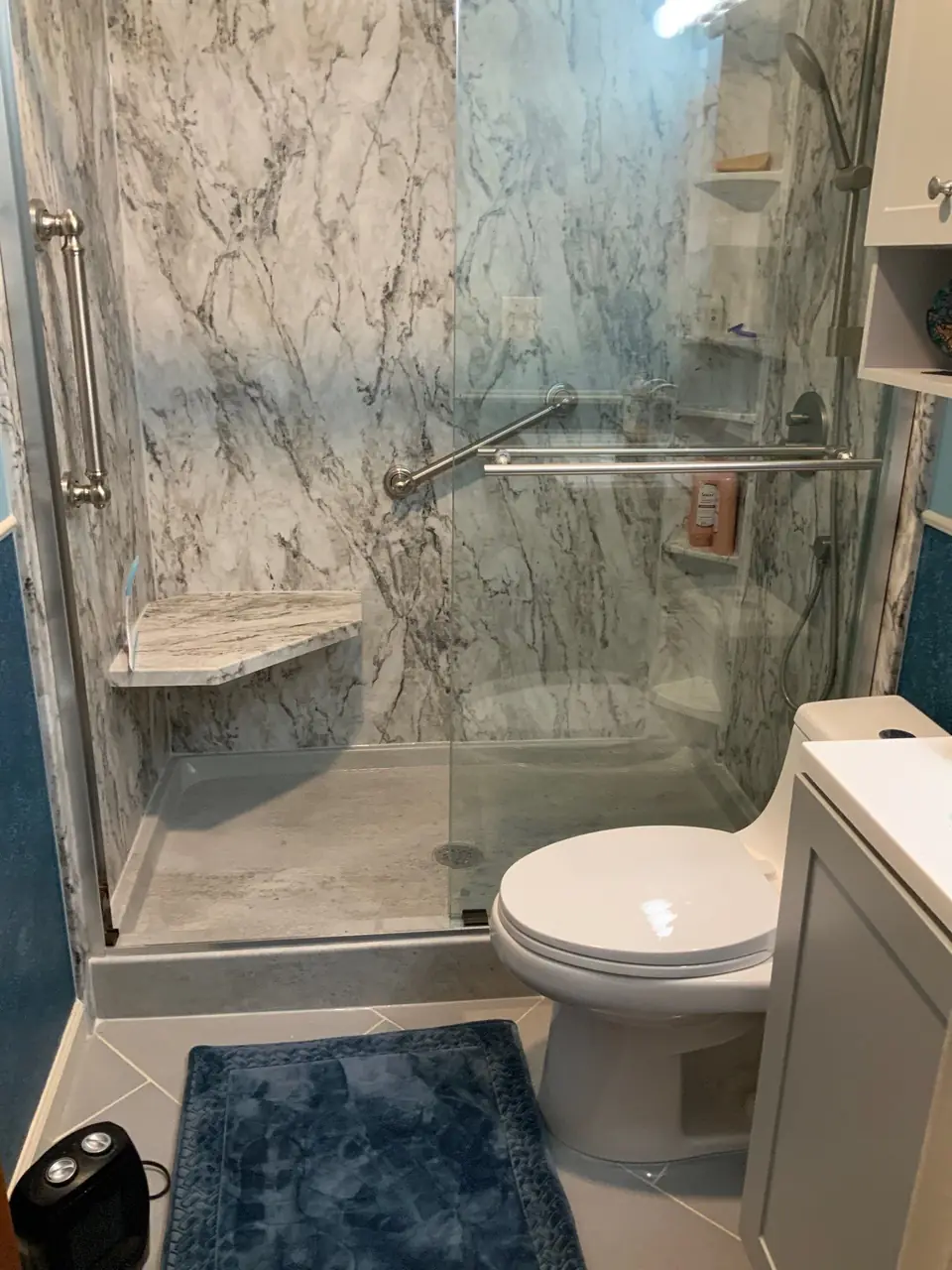
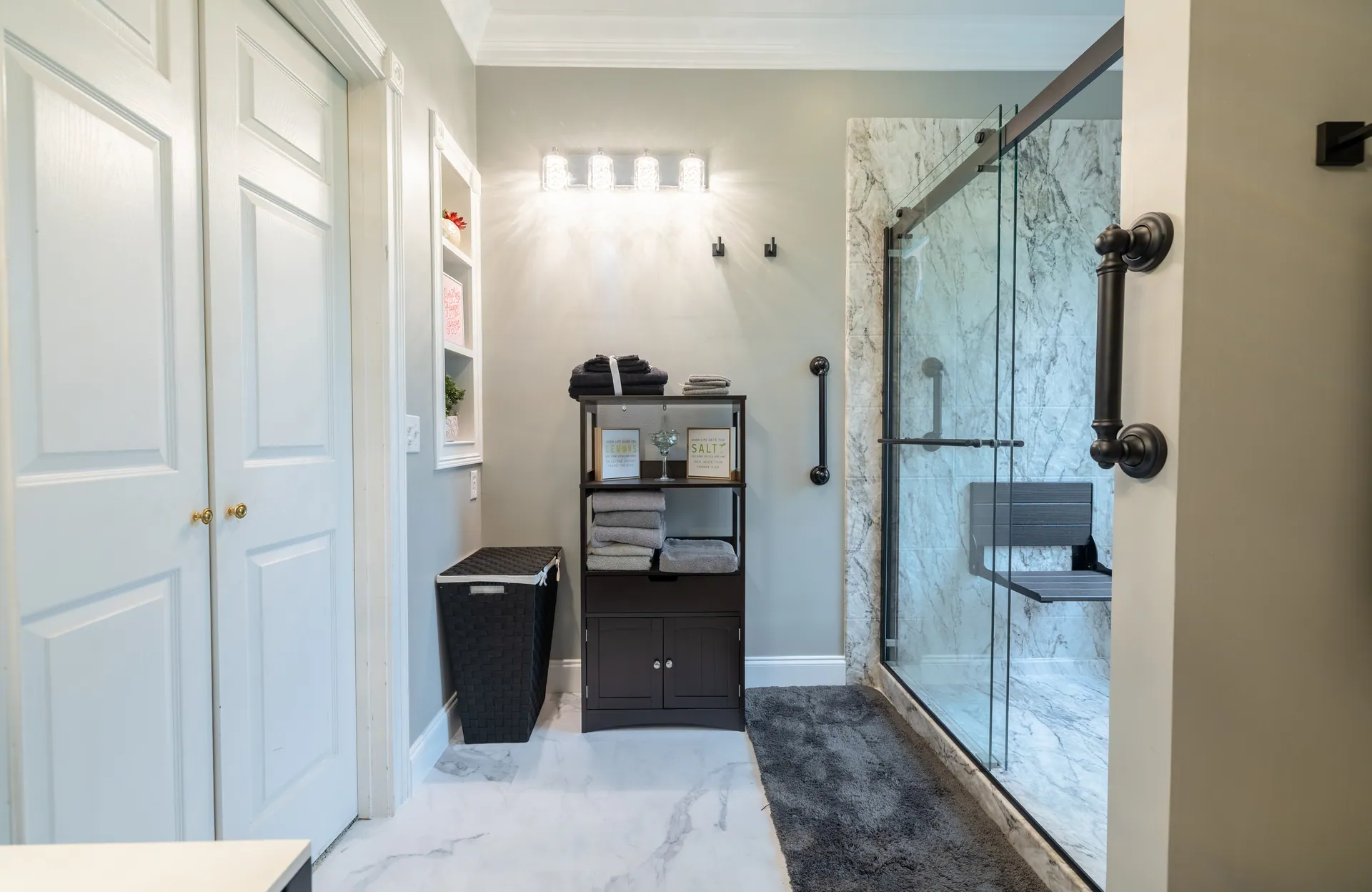
Grab bars, a shower seat, a low-threshold shower and good lighting make a bathroom safer for everyone. They also make it easier to age in place, which means staying in your home as your needs change. These features now come in styles that look clean and modern.
Even if you don’t need them today, plan for them. Adding wood backing in the walls during the remodel lets you install grab bars later without opening the walls again. It’s a simple bathroom remodeling 101 step that can save a lot of hassle down the road.
6. Do Choose Easy-to-Clean Surfaces
Large tiles, solid wall panels and quartz or cultured marble tops mean less grout and less scrubbing. Grout lines are where soap scum and mildew like to settle. Fewer lines mean less work every week.
Think about finishes, too. Matte fixtures show fewer water spots than polished ones. A glass door with a protective coating is easier to wipe than a curtain that needs washing. Choosing low-upkeep materials is one of the smartest bathroom remodeling 101 habits you can build.
7. Do Hire a Licensed, Insured Contractor
Plumbing, electrical and waterproofing work should be done right and to code. Ask any contractor for proof of insurance and check their license status. In Tennessee, you can look up contractors through the state Board for Licensing Contractors.
Ask how long they’ve been in business, who will be on site and how they handle surprises. Get a written estimate that spells out the scope of work. A clear plan up front prevents most disputes later.
The Don’ts of Bathroom Remodeling 101
Most remodeling regrets come from a short list of mistakes. Some cost money right away. Others show up months later as leaks, cramped spaces or a room that just doesn’t work the way you hoped. Bathroom remodeling 101 is as much about what to skip as what to do. Here’s what to avoid.
8. Don’t Move Plumbing Without a Good Reason
Relocating drains and supply lines adds cost fast. Floors have to be opened, pipes rerouted and walls rebuilt. In some homes, floor framing or a concrete slab makes moves even harder.
Keep fixtures where they are unless the layout truly doesn’t work. A smart redesign in the same footprint often solves the problem. For example, swapping a tub for a walk-in shower in the same spot gives you more room without moving the drain very far.
9. Don’t Remove the Only Tub Without Thinking It Through
Converting a tub to a walk-in shower is very popular, and for good reason. Showers are easier to step into and clean. But if it’s the only tub in the house, think about who lives there now and who might buy the home later.
Families with young children often want at least one tub. If you plan to sell in the next few years, keeping a tub somewhere can help. If you’re staying for the long term and nobody uses the tub, a conversion is usually a smart move.
10. Don’t Choose Style Over Function
A vessel sink or glossy floor tile may look great in photos. Day to day, though, a vessel sink can splash and glossy tile gets slick when wet. Choose slip-resistant floors and fixtures that fit how you really use the room.
That doesn’t mean giving up style. It means picking style that also works. A wall-mounted vanity looks sleek and makes cleaning easy. Textured porcelain tile can look like stone without the slip risk. Good design does both jobs at once.
11. Don’t Forget Lighting
One overhead light isn’t enough for a bathroom. It casts shadows on your face at the mirror and leaves the shower dark. Plan for layers: a ceiling light for the room, task lights at the mirror and a wet-rated light in the shower.
Lights on both sides of the mirror give the most even light for shaving or makeup. Dimmers let you soften the room at night. Lighting is easy to plan early and costly to add after the walls are closed, so put it on your list from day one.
12. Don’t Skip the Permit
Plumbing and electrical changes often need permits. Skipping them might save a little time, but it can cause trouble with inspections, insurance claims and resale. A buyer’s home inspector may flag work that was done without one.
Rules vary by city and county, so ask your contractor what your project needs. A good contractor will know which office handles permits for your address and can help with the process. Keep copies of any permits and inspection records with your home files.
13. Don’t Rush Decisions
Make your selections before work starts. That includes tile, vanity, fixtures, paint and lighting. If choices drag on, the job can stall while you wait on materials.
Changing your mind mid-project also adds cost. Walls may need to be reopened or orders returned. Take your time during planning, look at samples in your own light and lock in choices early. A calm plan up front is the heart of bathroom remodeling 101.
Your Bathroom Remodeling 101 Checklist
Before you sign a contract, run through this quick list. It covers the basics that prevent most problems:
- Set a budget with a cushion for surprises.
- List your storage needs and plan niches or drawers.
- Confirm how the shower will be waterproofed.
- Choose a fan sized for the room and vented outside.
- Plan wall backing for grab bars, even if you add them later.
- Pick slip-resistant flooring.
- Plan layered lighting.
- Ask about permits.
- Make all selections before work starts.
How American Home Helps Powell Homeowners
American Home is family-owned and has served East Tennessee since 1997, with more than 15,000 projects completed. We remodel bathrooms in Powell and across Knox County, including Bath Planet tub-to-shower conversions, walk-in showers and full remodels. See our bathroom remodeling services for details.
Every project starts with a free in-home estimate, and financing options are available for qualified homeowners. Want to keep learning first? Read our step-by-step bathroom remodeling guide or our budget-friendly bathroom renovation ideas. Then let us put these bathroom remodeling 101 tips to work in your home.
Bathroom Remodeling 101 FAQs
What is bathroom remodeling 101?
It is the set of basic rules that help a remodel go well. Set a budget with a cushion, protect against water, ventilate well, plan storage and hire a licensed, insured contractor.
What is the biggest bathroom remodeling mistake?
Cutting corners on waterproofing. Leaks behind walls and under floors can go unseen for months and cause rot and mold that cost far more to fix than to prevent.
Should I keep a bathtub?
If it is the only tub in the house and you have young kids or plan to sell soon, keeping one is often wise. If nobody uses it, a walk-in shower is usually a smart swap.
Do I need a permit to remodel a bathroom?
Plumbing and electrical changes often need one. Rules vary by location, so ask your contractor what your project requires.
Does American Home remodel bathrooms in Powell?
Yes. We serve Powell and all of Knox County with free in-home estimates and financing options for qualified homeowners.
Get a Free Bathroom Estimate
We will help you avoid the common mistakes and give you a clear, no-obligation price.