
A roof inspection checklist shows you exactly what a roofer should look at when they check your home. A good inspection gives you a clear picture of your roof’s condition before small issues become leaks. It’s especially worth doing after a major storm, before you buy or sell a home, or when your roof is getting older.
Quick answer: A professional inspection should cover the shingles, flashing, pipe boots and vents, valleys, roof edges, gutters, attic ventilation and signs of leaks inside. Afterward, you should get photos, a plain-English summary and a written estimate for any work.
Below is the roof inspection checklist we think every Maryville homeowner should know. We’ll also cover when to schedule an inspection, how to prepare and how a pro visit differs from a DIY look.
Need a roof inspection in Maryville?
Get a free, no-obligation roof estimate from American Home.

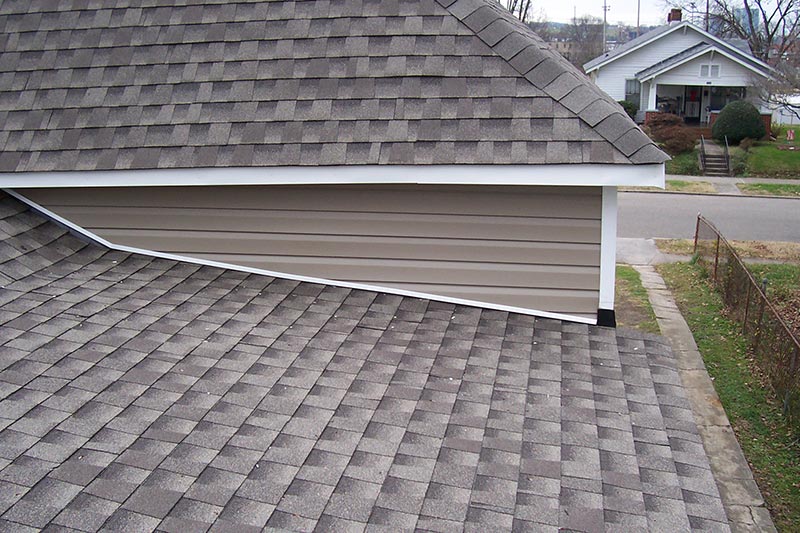
A close look from above shows wear that is hard to see from the ground.
What a Professional Roof Inspection Covers
A professional roof inspection is a close, hands-on look at your roof, from the surface down to the attic. The roofer checks for damage, wear and the small problems that lead to leaks. Most visits take about an hour, depending on the size and pitch of your roof.
The goal is honest answers. You want to know what needs fixing now, what can wait and about how much life your roof has left. Using a roof inspection checklist helps you make sure nothing gets skipped.
When to Schedule a Roof Inspection
You don’t need a pro on your roof every month. But some moments call for one. Schedule an inspection:
- After severe weather. Hail, high winds or a fallen tree limb can cause damage you can’t see from the ground.
- Before buying a home. A roof problem can change your offer.
- Before selling. Fixing issues first can head off surprises in the buyer’s inspection.
- When your roof is 15 years old or more. Older roofs need closer watching.
- When you see warning signs. Leaks, stains, missing shingles or lots of granules in the gutters.
- Every few years as routine upkeep.
Spring and fall are good times for routine visits around Maryville. The weather is mild, and you can plan any repairs before summer storms or winter freezes.
The Professional Roof Inspection Checklist
Here are the eight areas a thorough roofer should check. Keep this roof inspection checklist handy during your visit, and don’t be shy about asking questions.
1. Shingles and Roof Surface
The roofer looks closely at the shingles on every slope. They check for:
- Missing, cracked, curled or lifted shingles
- Granule loss and bare spots
- Hail bruises or wind damage
- Moss, algae and debris buildup
They should also feel for soft spots or sagging, which can mean the roof deck, the boards under the shingles, is damaged.
2. Flashing at Walls and Chimneys
Flashing is the metal that seals the joints where the roof meets a wall or chimney. Step flashing runs along the sides, and counter flashing covers it from above. The roofer checks for rust, gaps, loose nails and dried sealant.
Many leaks start at these joints. A careful check here can save you from water stains inside your walls.
3. Pipe Boots, Vents and Skylights
Every opening in the roof is a spot where water can get in. The roofer checks rubber pipe boots around plumbing vents, exhaust vents, and the seals around skylights.
Pipe boots crack in the sun over time. They’re a common source of small leaks and are usually a simple fix.
4. Valleys
Valleys are the V-shaped areas where two roof slopes meet. They carry a lot of water, so they wear faster. The roofer checks the valley shingles and any valley flashing for wear, debris and gaps.
Homes under big trees often collect leaves and pine needles here. That debris holds water and can push it under the shingles.
5. Roof Edges
The drip edge is the metal strip along the roof edge that guides water into the gutters. The roofer checks that it’s in place and in good shape. They also look at the fascia, the board behind the gutters, and the soffit, the panel under the roof edge, for rot or stains.
6. Gutters and Drainage
The roofer looks at how water leaves the roof. Gutters should be firmly attached, sloped toward the downspouts and free of debris. Lots of granules in the gutters are a sign of aging shingles.
Downspouts should carry water away from the house. Around Maryville, red clay soil drains slowly, so water that pools near the foundation can cause trouble.
7. Attic and Ventilation
A good roof inspection checklist always includes the attic. The roofer checks for:
- Leak stains on the roof deck and rafters
- Insulation condition and coverage
- Intake vents at the soffits and exhaust vents near the ridge
- Condensation, mold or rot
Poor airflow can shorten a roof’s life, even if the shingles look fine from outside.
8. Signs of Leaks Inside
Finally, the roofer may check ceilings and upper walls for stains, peeling paint or bubbling drywall. Water can run along rafters before it drips, so a stain doesn’t always sit right below the leak.
Point out any spots you’ve noticed. Your notes help the roofer trace the source faster.
How to Prepare for Your Inspection
A little prep makes the visit faster and more useful. Clear a path to the attic hatch and move anything stored under it. Write down any leaks or stains you’ve seen, with dates if you can. Gather photos from past storms.
Have a few questions ready too, like how old the roof looks, what needs attention first and what can wait. A clear roof inspection checklist makes it easy to know what to ask.
Questions to Add to Your Roof Inspection Checklist
The roofer does the looking, but you should do some asking. These questions help you understand what you’re paying for and what comes next:
- How old does my roof look, and how much life does it have left?
- Which problems need a fix now, and which can wait a season?
- Is the damage from wear, a storm or poor installation?
- Does my attic have enough airflow?
- Can you show me photos of each problem you found?
Write the answers down and keep them with your roof inspection checklist. They make it easier to compare estimates and plan your budget. A roofer who answers clearly, without pressure, is usually a good sign.
What You Should Get After the Inspection
A good roof inspection ends with clear answers, not just a sales pitch. Expect:
- Photos of any problem areas
- An explanation of what needs attention now and what can wait
- An estimate of the roof’s remaining life
- A written estimate for any recommended repairs or replacement
If storm damage is involved, the roofer should also document it in a way that helps with your insurance claim. The National Roofing Contractors Association has more tips on working with a roofer.
Professional vs. DIY Roof Inspections
Homeowners can catch a lot from the ground and the attic. Our DIY roof inspection guide shows how, and our roofing maintenance checklist is great for spring and fall checks.
A professional adds a close-up look at the roof surface, flashing details and subtle storm damage that is hard to see from below. They can also safely walk steep roofs. Use both: your own checks between visits and a pro roof inspection checklist when it counts.
Roof Inspections in Maryville and Blount County
American Home is family-owned and has served East Tennessee since 1997, with more than 15,000 projects completed. We offer free in-home roof estimates in Maryville, Alcoa and across Blount County, plus Knoxville and nearby counties.
If your inspection turns up storm damage, see our storm damage repair service, or learn more about our roofing services. Financing options are available for qualified homeowners. We’ll walk through our roof inspection checklist with you and explain what we find in plain words.
Roof Inspection Checklist FAQs
What is on a professional roof inspection checklist?
Shingles, flashing, pipe boots and vents, valleys, roof edges, gutters, attic ventilation and signs of leaks inside. A good roofer checks all of these.
How often should I get a roof inspection?
Every few years for routine upkeep, plus after severe storms, before buying or selling, and once your roof is about 15 years old.
How long does a roof inspection take?
Most take about an hour. Larger, steeper or more complex roofs can take longer.
Is a roof inspection the same as an estimate?
Not always. An inspection looks at the roof's condition. An estimate prices the work. Many roofers do both in one visit.
Does American Home offer free roof estimates in Maryville?
Yes. American Home offers free in-home estimates in Maryville, Alcoa and across Blount County. Financing options are available for qualified homeowners.
Ready to schedule your roof check?
Request a free in-home estimate from a local, family-owned team.