

Tile flooring installation is one of the best ways to get a floor that lasts for decades. Done right, a porcelain tile floor can stay solid and good-looking for a very long time. Done poorly, it can crack, pop loose or show uneven edges within a year or two. For Farragut homeowners, the tile you pick matters, but the prep work underneath matters even more.
This guide covers the main types of tile, where tile works best in your home, and what a quality job includes from start to finish. You’ll also learn how to care for your new floor and what to ask before you hire an installer.
Quick answer: Porcelain is the best tile for most Farragut homes because it’s dense, water-resistant and very tough. A lasting tile flooring installation depends on a flat, stiff subfloor, the right underlayment, full mortar coverage under each tile, and correct grout and movement joints.
Thinking About Tile in Farragut?
Get a free in-home estimate and a clear, written scope for your new tile floor.
Types of Tile for Your Home
Walk into any showroom and you’ll see hundreds of tiles. Most of them fall into three groups: porcelain, ceramic and natural stone. Each group has its own strengths, price level and care needs. Knowing the basic differences makes it much easier to narrow down your choices before your estimate.
Porcelain Tile
Porcelain is made from fine clay fired at very high heat. That makes it denser and less porous than ceramic, so it resists water, stains and wear. It’s a great match for East Tennessee’s humid summers and muddy spring weather.
Porcelain comes in wood-look planks, stone looks and large tiles of all sizes. It works in almost any room, from bathrooms and kitchens to entries and basements. For most families, it’s the safest all-around pick.
Ceramic Tile
Ceramic tile is softer and usually more affordable. It’s easy to cut and comes in many colors and patterns. That makes it a good choice for walls, backsplashes and floors that don’t see heavy traffic.
Ceramic can chip more easily than porcelain. In a busy entry or kitchen, a dropped pot or heavy boot can leave a mark. For guest baths and laundry rooms, though, ceramic is often all you need.
Natural Stone
Marble, travertine and slate are beautiful, and no two pieces are alike. But stone needs sealing and more careful cleaning. Some stones also scratch or stain from common things like lemon juice or wine.
Many homeowners now choose stone-look porcelain instead. It gives you the style of marble or slate with far less upkeep. It’s also usually easier on the budget.
Where Tile Works Best
Tile shines in rooms that get wet, dirty or heavy foot traffic. It doesn’t mind water, it doesn’t scratch easily, and it’s simple to clean. These are the spots where we most often recommend tile flooring installation.
- Bathrooms and walk-in showers
- Laundry rooms and mudrooms
- Kitchens and entryways
- Sunrooms and screened porches
- Basements on concrete slabs
Tile is less ideal in bedrooms or playrooms where kids sit on the floor. It feels hard and cold there. Area rugs help, or you can use carpet or luxury vinyl in those rooms and keep tile for the wet areas.
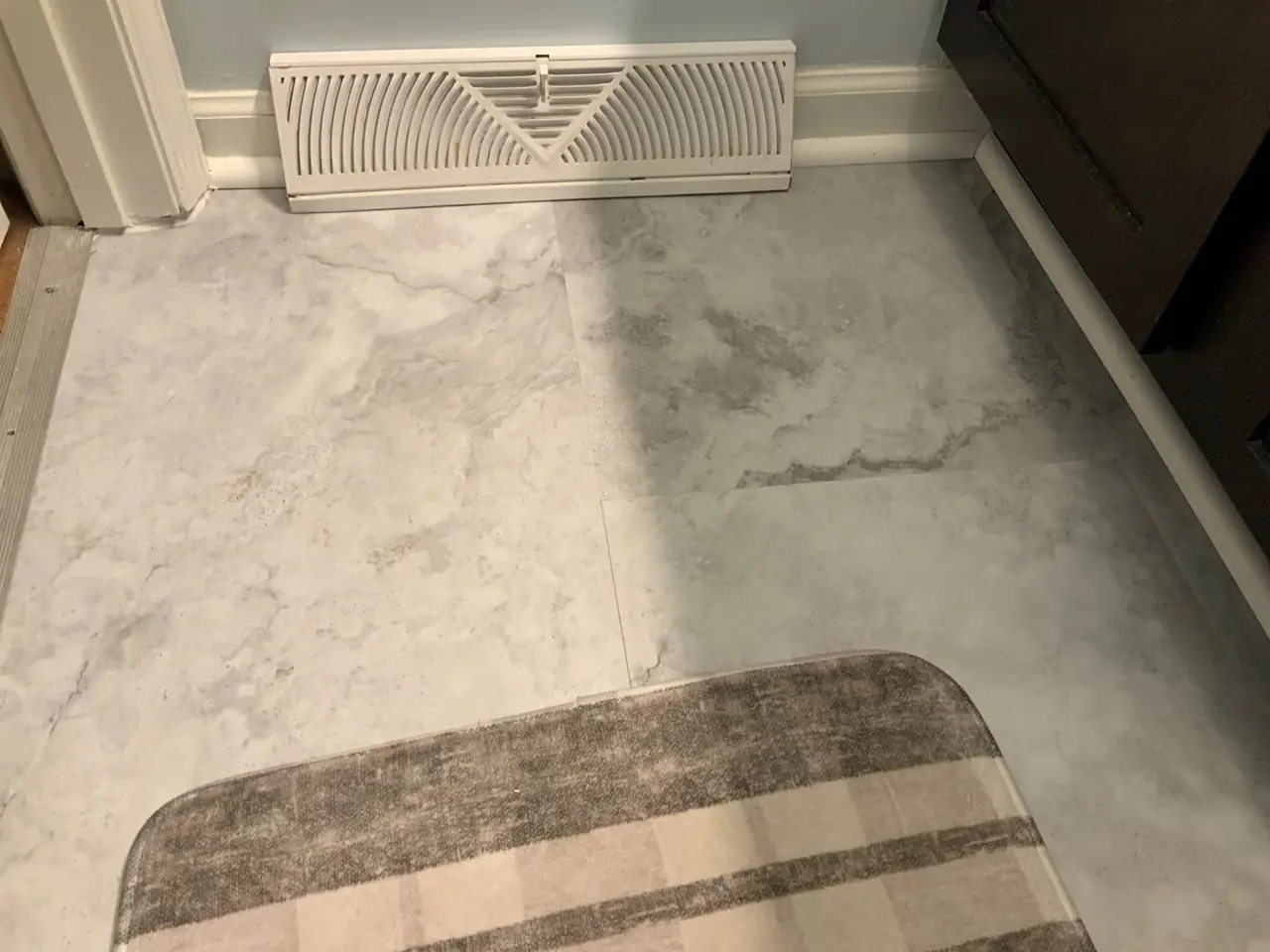
Stone-look porcelain gives the style of marble with far less upkeep.
What a Quality Tile Flooring Installation Includes
Most problems with tile flooring installation trace back to shortcuts in prep. A good tile flooring installation follows a clear set of steps. Here’s what each one does and why it matters for your floor.
- Subfloor check: The subfloor is the layer under your new floor. It must be checked for soft spots, rot and bounce. Tile needs a stiff base, or it will crack.
- Leveling and flattening: Large tiles need a flat surface. Otherwise you get lippage, where one tile edge sits higher than the next.
- Underlayment: Over wood floors, cement board or a thin plastic membrane goes down first. It helps the tile handle normal movement in the house.
- Full mortar coverage: Thinset is the mortar that holds tile down. Full contact under each tile prevents hollow spots and cracks.
- Layout planning: The pattern should be centered, with no thin slivers at doors and walls.
- Grout and movement joints: The right grout for the gap size, plus soft joints at walls and long runs so the floor can move.
- Sealing: Cement grout and natural stone often need sealing to resist stains.
Skipping any of these steps may save time on day one. But it often leads to cracked tiles, loose grout or water damage later. Fixing a failed tile floor usually means tearing it all out, which costs far more than doing it right the first time.
Moisture, Bathrooms and Tile Flooring Installation
Tile itself doesn’t mind water, but the floor under it does. In bathrooms, water can seep through cracked grout or around a tub and soak the subfloor. Over time that can lead to rot, loose tiles and mold.
That’s why good waterproofing and a proper shower setup matter so much. The EPA has a helpful guide to mold and moisture in your home if you want to learn more. If your bathroom needs more than new tile, our bathroom remodeling team can plan the floor and shower together.
What Affects the Cost of Tile Flooring Installation
Every tile job is a little different, so prices vary from home to home. The size of the room is only one part of it. The type of tile, the layout and the shape of your subfloor all play a big role. A simple square room costs less to tile than a bathroom with lots of corners and a toilet to work around.
Here are the main things that move the price up or down:
- Tile size and type: Very large tiles and natural stone take more care and time to set.
- Pattern: Herringbone and diagonal layouts mean more cuts and more waste.
- Subfloor repair: Soft spots, rot or uneven floors must be fixed first.
- Old floor removal: Tearing out old tile is slower and messier than pulling up carpet.
A detailed estimate should list each of these items. That way you can compare tile flooring installation quotes fairly and see exactly what you’re paying for.
Caring for Your New Tile Floor
Tile is easy to care for, but a few habits keep it looking new. Grit is the biggest enemy, since it dulls the surface and wears down grout. Follow these simple steps.
- Sweep or vacuum often so grit doesn’t scratch the finish.
- Mop with a pH-neutral cleaner, which means it’s not acidic or harsh.
- Reseal cement grout and natural stone as the maker suggests.
- Put felt pads under chairs and table legs to prevent chips.
- Use mats at outside doors to catch red clay and mud.
If a tile cracks, don’t wait. Water can get under it and loosen the tiles around it. A pro can usually replace a single tile if you kept a few spares from the original job.
Questions to Ask Before You Hire a Tile Installer
A clear, written scope protects you. Ask these questions during your estimate so there are no surprises.
- Is subfloor repair and leveling included?
- What underlayment will you use over my subfloor?
- Who removes and hauls away the old floor?
- How will you handle doorways, trim and transitions?
- Will the grout be sealed?
Thinking about doing it yourself instead? Read our honest look at professional vs. DIY flooring installation first. Tile is one of the hardest floors to get right without experience.
Tile Flooring Installation in Farragut With American Home
American Home is family-owned and has served East Tennessee since 1997, with more than 15,000 projects completed. We handle tile flooring installation, plus luxury vinyl, laminate, hardwood and carpet, for homeowners in Farragut and across Knox County and Loudon County.
Start with a free in-home estimate. We’ll check your subfloor, help you choose tile and give you a clear written scope. Financing options are available for qualified homeowners. Learn more about our flooring installation services, or use our cost estimate calculator to plan your budget.
Tile Flooring Installation FAQs
How long does tile flooring installation take?
It depends on the room size, the tile and how much prep the subfloor needs. Mortar and grout also need time to cure before heavy use. Your estimate should include a clear timeline for your project.
Is porcelain or ceramic tile better for floors?
Porcelain is usually better for floors. It's denser, more water-resistant and harder to chip. Ceramic works well on walls and in low-traffic rooms.
Why do tile floors crack?
Most cracks come from a subfloor that bends, poor mortar coverage or missing movement joints. Good prep and a stiff base prevent most of these problems.
Can tile go over my old floor?
Sometimes. It depends on what the old floor is and how solid it is. In many cases the old floor should come out so the installer can check and fix the subfloor.
Does tile grout need to be sealed?
Cement grout usually should be sealed to resist stains. Some newer grouts don't need sealing. Ask your installer which grout they use and how to care for it.
Ready for a Tile Floor That Lasts?
Schedule your free estimate with American Home.