

Fall roofing maintenance is the best way to get your roof ready for an East Tennessee winter. The weather is still mild, roofers can work safely, and shingles seal well before the first hard freeze. If you wait until December, a small gap can turn into a ceiling stain.
Quick answer: Clear leaves off the roof and out of the gutters, check shingles and flashing from the ground, look in the attic for stains or damp insulation, and fix small problems before cold weather sets in.
This guide walks through each step of fall roofing maintenance in plain words. You’ll learn which jobs are safe to do yourself, what each problem looks like, and when it’s time to call a roofer.
Want your roof checked before winter?
Get a free, no-obligation roof estimate from American Home.
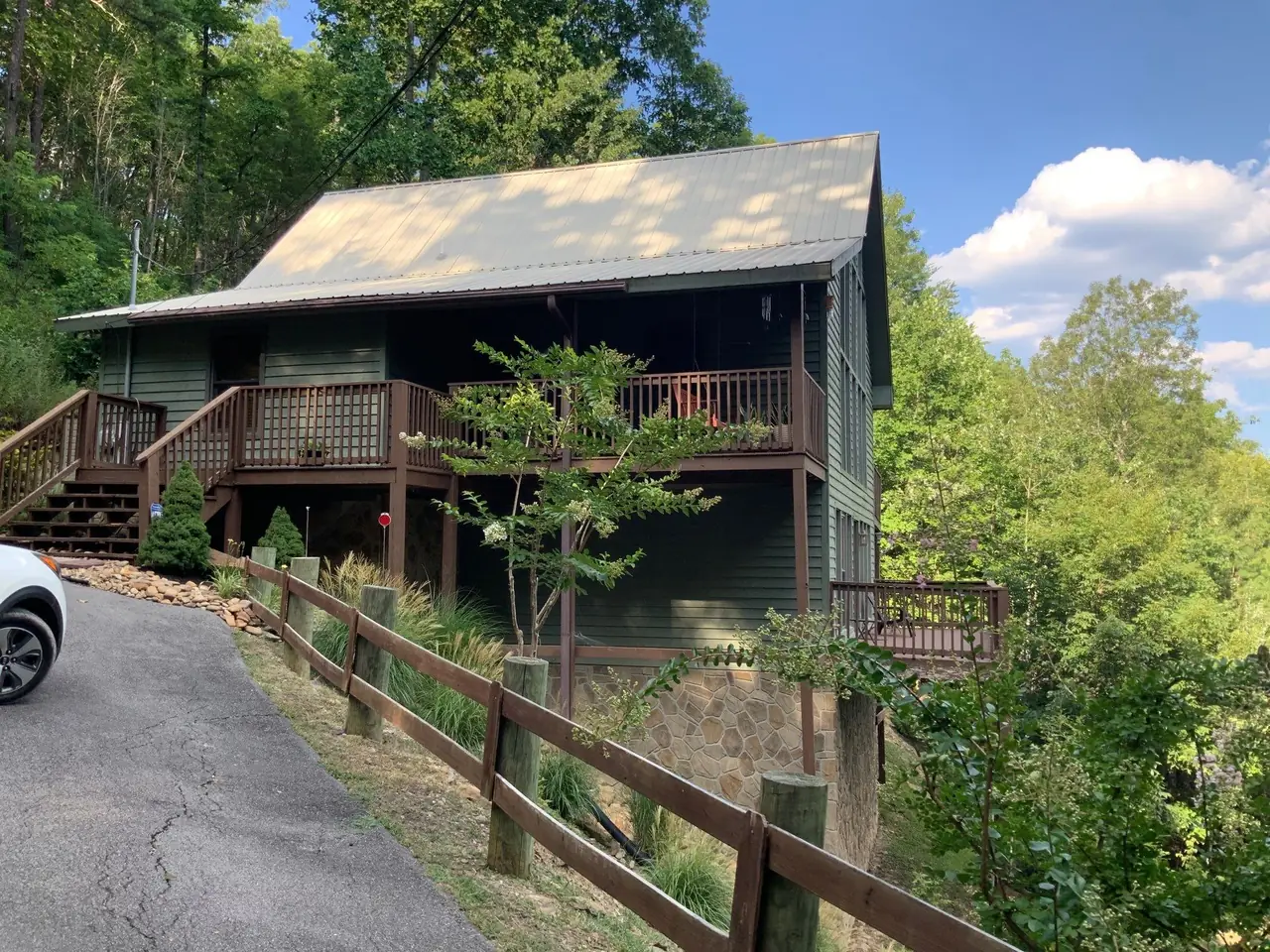
Fall leaves and pine needles collect in valleys and gutters, so autumn is the time to clear them.
Why Fall Roofing Maintenance Matters in East Tennessee
Our autumns are pretty, but they’re hard on roofs. Oaks, maples and pines drop leaves and needles for weeks. That debris lands in valleys, piles up behind chimneys and fills gutters. Then winter brings cold rain, hard freezes and now and then an ice storm.
Each of those puts stress on any weak spot your roof already has. A loose shingle in October can become a leak by January. That’s why fall roofing maintenance pays off more than roof care in any other season.
What Happens If You Skip It
- Debris holds water. Wet leaves sit against shingles and can push water under them.
- Freeze-thaw cycles widen gaps. Water gets into a crack, freezes, expands and makes the crack bigger.
- Gutters overflow. Clogged gutters soak the fascia, the boards behind the gutters, and can lead to rot.
- Small fixes get harder. Shingles don’t seal well in the cold, and icy roofs aren’t safe to work on.
None of this happens overnight. It builds slowly, and you often don’t see it until a stain shows up inside. A little fall roofing maintenance each year keeps you ahead of it.
Your Fall Roofing Maintenance Checklist
You can do most fall roofing maintenance from the ground, from a ladder at the gutters, or from inside the attic. Stay off the roof itself, especially if it’s steep, wet or covered in leaves. Plan on an afternoon, and bring binoculars, a flashlight and your phone for photos.
1. Clear Leaves and Debris
Look for piles of leaves and pine needles in roof valleys. Valleys are the V-shaped spots where two roof slopes meet. Also check behind chimneys and around skylights. These spots hold the most water.
On a low, one-story roof, a leaf blower used from a ladder works well. On steep or two-story roofs, hire a pro. It’s not worth a fall.
2. Clean Gutters and Test Downspouts
Wait until most leaves have dropped, then clean the gutters. In many Knoxville neighborhoods that means late October or November. Homes under big trees may need a second cleaning.
After cleaning, run a hose into each gutter. Water should flow to the downspouts and come out freely. Make sure it drains several feet away from the house. Red clay soil doesn’t soak up water fast, so it can pool against your foundation. If you’re tired of cleaning, ask about gutter guards and leaf protection.
3. Check Shingles From the Ground
Walk around the house with binoculars and look at each roof slope. You’re looking for:
- Missing, cracked or torn shingles
- Curled edges, or shingles that sink in the middle
- Bald spots where the gritty granules have worn off
- Shingles that look lifted after a windy day
Granules piling up in your gutters or at the end of downspouts are another clue. A few are normal. A lot means the shingles are wearing out.
4. Inspect Flashing, Pipe Boots and Vents
Most leaks start where the roof meets something else. Flashing, the metal strips that seal those joints, sits around chimneys, walls and skylights. Look for rust, bent pieces, gaps or dried-out sealant.
Next, find the plumbing vent pipes sticking out of the roof. Each one has a rubber collar called a pipe boot. Sun cracks these over time, and a cracked boot is one of the most common causes of leaks. It’s also one of the easiest fixes.
5. Look Inside the Attic
Pick a sunny afternoon and take a flashlight into the attic. Check the underside of the roof boards and the rafters. Watch for:
- Water stains or dark spots on wood
- Damp, flat or stained insulation
- Daylight showing through the roof deck
- A musty smell or signs of mold
The attic often shows trouble before your ceilings do. If you find a stain, note where it is and take a photo. A roofer can use that to track the leak.
6. Make Sure the Attic Can Breathe
Your attic needs air flowing in at the soffits, the vents under the roof edge, and out near the ridge. Make sure insulation isn’t stuffed into the soffit vents. Good airflow keeps the roof deck cold in winter, which helps prevent ice dams.
Also check that bathroom and kitchen fans vent outside, not into the attic. Warm, moist air in a cold attic turns into frost and drips that look a lot like a leak. Our guide to winter roof care and ice dams explains more.
7. Trim Overhanging Branches
Branches that touch the roof scrape shingles and drop extra debris. In winter, ice can load limbs until they snap and fall. Trim anything hanging over the roof, or have a tree service do it. Leave a few feet of space between branches and the roofline.
This step matters a lot in wooded areas like Powell, Farragut and the hills of Sevier County, where trees often sit close to homes.
8. Check the Chimney
From the ground, look at the chimney cap and the mortar between bricks. Cracked mortar lets water into the chimney and down along the flashing. A missing cap invites rain, leaves and animals. Both are good to fix before winter.
If you see stains on the ceiling or wall next to the chimney, that’s a strong sign the flashing or chimney needs attention.
9. Schedule Repairs While It’s Mild
If your fall roofing maintenance turns up a problem, don’t wait. Shingles need warm enough days to seal properly. Roofers also work safer and faster before frost and ice. Booking in September or October usually beats the winter rush, when storm calls fill schedules.
Keep your photos and notes. They help a roofer understand what you saw and where. For a year-round plan, see our seasonal roof maintenance calendar.
Fall Roofing Maintenance for Different Roof Types
The basics are the same for every roof. Still, each type has a few extra things to watch. Knowing what your roof is made of helps you spot the right warning signs. If you are not sure, check your closing papers or ask a roofer during a free estimate. Here is what to look for on the two most common roof types around East Tennessee.
Asphalt Shingle Roofs
Most homes around Knoxville have asphalt shingles. During fall roofing maintenance, focus on granule loss, curled edges and lifted tabs. Dark streaks on shady slopes are usually algae. They’re mostly cosmetic, but they show where moisture lingers.
Moss is a bigger concern. It holds water against the shingles and can slowly lift them. If moss is spreading, have a roofer look before it gets worse.
Metal and Stone-Coated Steel Roofs
Metal roofs shed leaves well, but debris can still pile up in valleys and behind chimneys. Check for loose or backed-out screws and worn rubber washers. Look at the seams and trim pieces too.
Many mountain cabins in Sevier County have metal roofs. Their steep slopes make hiring a pro the safer choice for anything beyond a look from the ground.
DIY or Call a Pro?
Much of fall roofing maintenance is safe for a homeowner. Cleaning gutters on a one-story home, looking from the ground and checking the attic are all fair game. Roof work itself is different. Steep pitches, wet leaves and two-story drops cause many falls each year.
Call a roofer if you find:
- An active leak or water in the attic
- More than a few missing or damaged shingles
- Soft or sagging spots on the roof
- Flashing that has pulled away from a wall or chimney
- A roof that’s 20 years old or more and showing wear
The National Roofing Contractors Association also shares helpful info for homeowners on roof care and hiring a roofer.
How American Home Helps With Fall Roofing Maintenance
American Home is family-owned and has served East Tennessee since 1997, with more than 15,000 projects completed. We offer free in-home estimates across Knox County, Blount, Anderson, Loudon and Sevier counties. If your fall check turns up damage, we’ll take a closer look and explain your options in plain words.
We handle roof repair and replacement in asphalt shingle, metal and stone-coated steel. If a storm already did damage, see our storm damage repair service. Financing options are available for qualified homeowners. Want a rough idea of cost first? Try our project cost calculator.
Good fall roofing maintenance won’t stop every winter problem, but it catches most of them early. An afternoon now can save you a lot of stress later.
Fall Roofing Maintenance FAQs
When should I do fall roofing maintenance in East Tennessee?
Late October through November works well for most homes. Most leaves have dropped by then, and the weather is still mild enough for repairs. Homes under big trees may need a second gutter cleaning in December.
Can I do fall roofing maintenance myself?
Many steps are safe for homeowners, like checking from the ground, cleaning gutters on a one-story home and looking in the attic. Leave work on the roof itself to a pro, especially on steep or two-story roofs.
How often should I clean my gutters in the fall?
At least once after most leaves fall. If you have oaks or pines close to the house, plan on two cleanings, or think about gutter guards to cut down the work.
What are signs my roof needs repair before winter?
Watch for missing or curled shingles, lots of granules in the gutters, rusted or loose flashing, cracked pipe boots and water stains in the attic. Any of these is worth fixing before freezing weather.
Does American Home offer free roof estimates?
Yes. American Home offers free in-home estimates across Knoxville and nearby counties. Financing options are available for qualified homeowners.
Get your roof ready for winter
Request a free in-home estimate and talk with a local roofer.