

A living wall, also called a vertical garden, brings plants up off the ground and onto a fence, frame or railing. It softens a deck or covered patio, adds privacy and fits a lot of green into a small space. For East Tennessee yards with limited flat ground, it is a smart way to garden.
Quick answer: Pick a living wall style that fits your space, from a simple trellis to a pocket panel system. Mount it on its own frame, never right against your siding. Choose plants for the sun you have, and plan easy watering with a drip line and timer.
Here is how to plan a living wall that looks great and does not cause moisture problems for your house or deck.
Creating a new outdoor space?
Get a free in-home estimate for a deck or covered patio, with financing options for qualified homeowners.
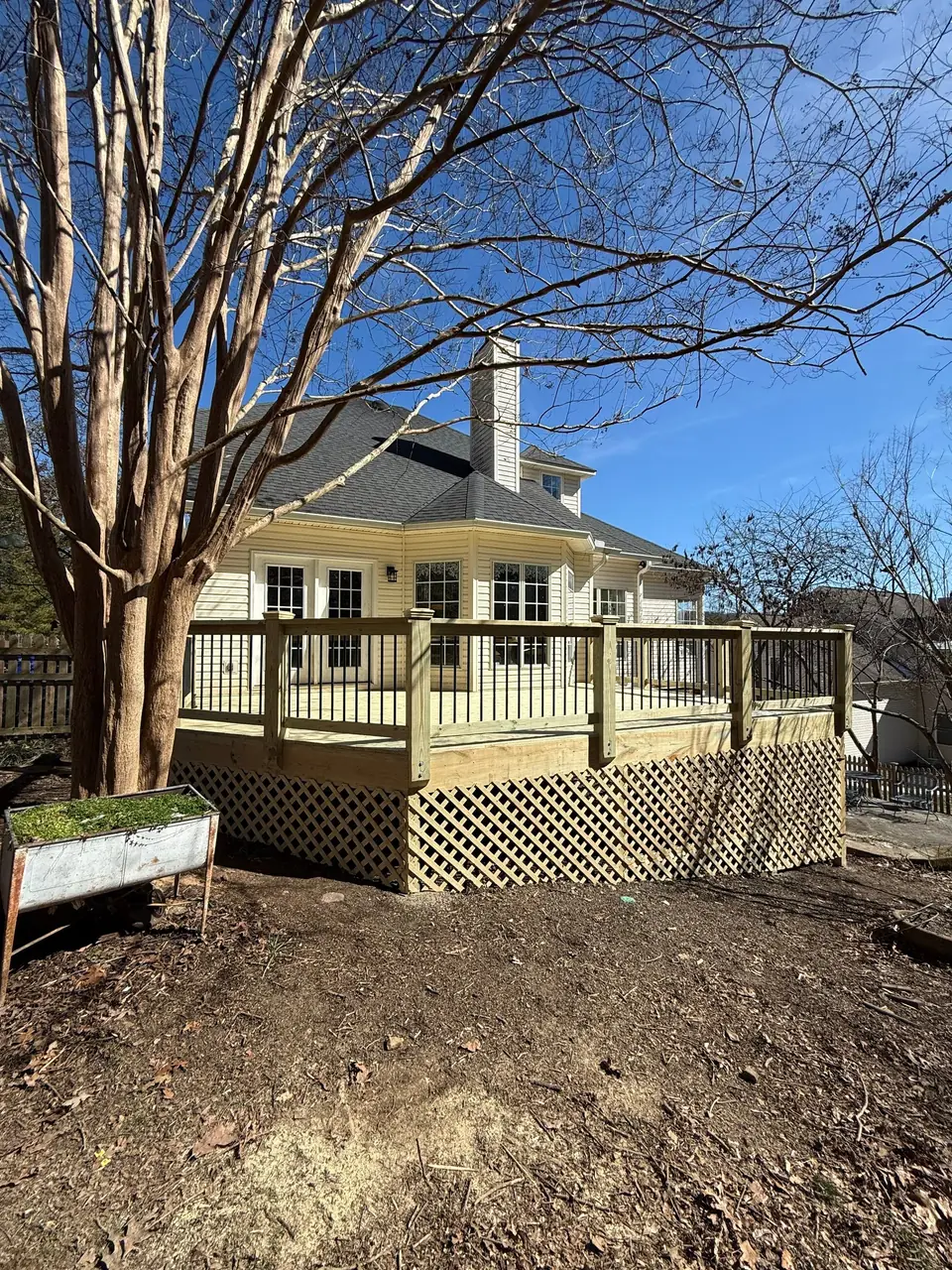
A built-in planter box adds greenery to a new deck and is an easy first step toward a living wall.
Why Add a Living Wall to Your Backyard
A living wall does more than look nice. It can solve a few common backyard problems at once. Many homeowners add one for a single reason and end up enjoying the others too.
- Privacy: a green screen between you and the neighbors, without a solid fence.
- Shade and comfort: plants on a sunny wall can help the space around them feel cooler.
- Softer sound: leaves absorb some outdoor noise from roads and neighbors.
- Small-space gardening: herbs, flowers and greens without giving up floor space.
- A focal point: a striking feature that draws the eye on a deck or patio.
On sloped lots, which are common around Knoxville, flat garden space can be hard to find. Growing up instead of out makes the most of what you have.
Types of Living Walls
There is no single right way to build a living wall. The best type depends on your budget, how much upkeep you want and where it will go. Here are the four main options, from simplest to most involved. Each can work on a deck, a covered patio or a fence line.
Trellises and Climbing Plants
This is the simplest living wall. A trellis or cable system holds vines that climb on their own. Plants grow in the ground or in large planters at the base. Good choices include clematis, climbing roses, mandevilla and native crossvine. It takes a season or two to fill in, but upkeep is low.
Modular Pocket or Panel Systems
Fabric pockets or plastic panels hold soil and plants in a grid. They create a full, dense wall of green right away. Many systems include drip irrigation lines. They take more care than a trellis, since each pocket holds only a little soil and dries out fast.
Railing and Fence Planters
Planter boxes that hang on deck railings or fences are an easy way to start. They add color without a big structure. Just make sure the railing is solid. Wet soil is heavy, and railings are built to hold people, not long rows of planters.
Freestanding Vertical Planters
Tiered or ladder-style planters stand on their own. You can move them to follow the sun or change your layout. They are a good choice for renters or anyone not ready to attach anything to the house or deck. Set them on a tray or feet so water does not sit on the deck boards.
Choose the Right Plants for Tennessee
Plants for a living wall need to handle hot, humid summers and cold snaps in winter. Match plants to the light the wall gets. Most problems come from putting sun lovers in shade or shade plants in full sun.
- Sunny walls: herbs like basil, thyme and rosemary, plus succulents, petunias and other heat-tolerant annuals.
- Shady walls: ferns, heuchera, hostas in larger pockets and trailing plants.
- Year-round interest: evergreens and hardy perennials suited to Tennessee winters.
Mix textures and colors, and group plants with similar water needs. A local garden center can help you pick plants that do well in your part of East Tennessee.
Protect Your House and Deck
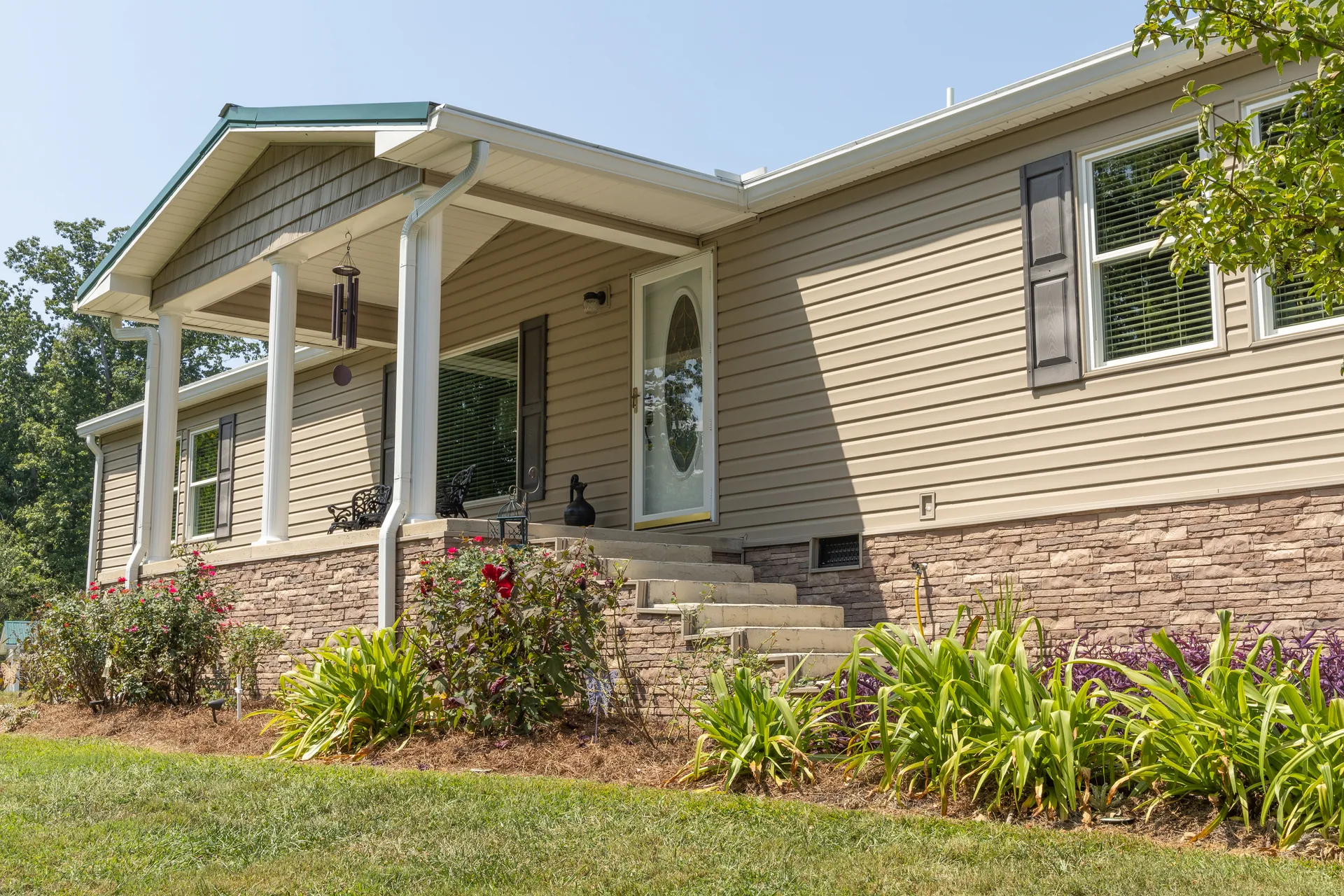
Moisture is the biggest risk with any living wall. Wet soil and constant watering can damage siding, trim and deck boards if the system is not set up right. This is the part people most often get wrong.
- Do not attach planters directly to your siding.
- Mount the living wall on a separate frame with an air gap behind it.
- Use a waterproof backing between the plants and any wall.
- Make sure water drains away from the house and off deck boards.
- Check that the frame or railing can carry the weight of wet soil.
Trapped moisture can lead to rot and mold. The EPA guide to mold and moisture explains why keeping walls dry matters. If your siding already shows damage, see our siding services.
Watering and Upkeep for a Living Wall
Vertical gardens dry out faster than ground beds, since each plant has only a little soil. Sun and wind make it worse. A simple watering plan makes all the difference.
- Use a drip irrigation line with a timer, so plants get water even when you are busy.
- Water early in the morning so leaves dry during the day.
- Feed plants lightly during the growing season.
- Trim, replace and swap annuals as the seasons change.
- Check frames and fasteners each spring.
Plan for a little more care in July and August. Hot, dry spells can stress plants quickly, even with a drip line.
Where to Put a Living Wall
Location makes or breaks a living wall. Think about sun, water access and how you will see it. A wall facing your seating area gives you the most enjoyment. A wall near a hose bib makes watering easier.
Good spots include the end of a deck, the open side of a covered patio, a privacy fence near a hot tub or the wall of a shed. Avoid placing a heavy, wet system on old or wobbly railings. If you are building a new deck, ask your builder about adding a sturdy frame for planters during construction.
Common Living Wall Mistakes
- Attaching wet planters straight to siding.
- Picking plants that do not match the light.
- Relying on hand watering in the heat of summer.
- Overloading a deck railing with heavy planters.
- Forgetting where the drain water will go.
Each of these is easy to avoid with a little planning. Start small, see what thrives, and grow your living wall over time.
How to Get Started Without Overdoing It
You do not need a full wall of plants on day one. Many people start with one railing planter or a single trellis and grow from there. That lets you learn how much sun and water the spot gets before you spend more.
- Pick one spot you see often from your seating area.
- Watch the sun there for a few days, morning and afternoon.
- Start with a small trellis or two or three planters.
- Add a drip line once you know the plants are happy.
- Expand the next season if you enjoy the upkeep.
This slow start costs less and keeps mistakes small.
Build the Outdoor Room Around It
A living wall looks best as part of a well-planned outdoor space. A covered deck or covered patio, built-in seating and good lighting turn it into a place you want to spend time. Soft lights aimed at the plants make it glow at night.
American Home is family-owned and has served East Tennessee since 1997, with more than 15,000 projects completed. We build decks, covered patios, screen rooms and sunrooms across Knoxville and the surrounding counties. Start with a free in-home estimate, with financing options for qualified homeowners. See our outdoor living services, our deck building services and our backyard ideas for Knoxville homes.
Living Wall FAQs
What is a living wall?
A living wall is a vertical garden. Plants grow on a trellis, in pockets or panels, or in planters mounted on a frame, fence or railing.
Will a living wall damage my house?
It can if wet soil sits against your siding. Mount the system on its own frame with an air gap and waterproof backing, and make sure water drains away from the house.
What plants work best on a living wall in Tennessee?
For sun, try herbs, succulents and heat-tolerant annuals. For shade, try ferns, heuchera and trailing plants. Add evergreens or hardy perennials for winter interest.
How do I water a vertical garden?
A drip irrigation line with a timer is the easiest way. Vertical gardens dry out fast, so they often need more water than ground beds, especially in summer.
Can I hang planters on my deck railing?
Yes, if the railing is solid. Wet soil is heavy, so check that posts and rails are tight and do not overload them with long rows of planters.
Get a free outdoor living estimate
Decks, covered patios and screen rooms built for the way you live outside, with a clear, no-obligation price.